

Introduction
If you have a young child at home, you have probably met Pete the Cat. That cool blue cat with the big smile has become a trusted friend in millions of households. In fact, Pete the Cat books have sold more than 15 million copies in the United States alone as of 2023, according to children’s book sales statistics. That is a whole lot of groovy reading.
But here is the thing. Many parents know the character but not the people behind him. Understanding the creators of Pete the Cat can actually make storytime more meaningful for your child.

Just like older kids love diving into the worlds of Tony DiTerlizzi books or the thoughtful stories in Lois Lowry books, or even exploring the best teenage sci fi books, early readers can build a deeper connection when they know the authors and illustrators who made their favorite stories.
The story of Pete the Cat started small. The first book was self-published back in 2008 and sold 7,000 copies in just ten months. Then HarperCollins noticed a YouTube video about Pete and picked up the series.

Soon after, more than 5 million books were sold in the U.S. after the franchise was acquired. That is a lot of groovy adventures.
So why does any of this matter for you? When you know the real people behind the stories, you can share fun facts with your child during reading time. You can talk about how James Dean painted the first Pete pictures or how Eric Litwin wrote those catchy songs. It turns a simple book into a richer experience.
In this article, we will explore everything you need to know about the Pete the Cat phenomenon. We will look at the authors and illustrators who created this beloved series. And we will share why introducing your child to the people behind the pages can spark a lifelong love of reading. Want to help your little one become a book lover? Stick with us. You might also enjoy this list of books for kids that inspire a love of reading for more storytime ideas.
Who Created Pete the Cat? The Dynamic Duo Behind the Series
Have you ever wondered who brought that cool blue cat with the big smile to life? It was not just one person. The story of pete the cat books starts with two very different creators. And their partnership changed the way we read with our little ones.
The first person to write Pete the Cat was Eric Litwin. He was not a traditional author. He was a songwriter and a music teacher. Litwin added a musical rhythm to the first four Pete the Cat books. Think about the catchy, repeating lines in Pete the Cat: I Love My White Shoes. That was all Litwin. He wrote those words and performed them at schools and libraries. According to the official website, James Dean, a self taught artist from Alabama, brought Litwin’s words to life with his bright, bold paintings. The two men met through a mutual friend, and they self published that first book together in 2008. It sold 7,000 copies in ten months, which is a huge deal for a self published book. As noted on Wikipedia, the series started with four books illustrated by Dean and with text by Eric Litwin.
Then came the shift. After those first four books, Eric Litwin moved on to other projects. James Dean took over the writing. And he did not do it alone. His wife, Kimberly Dean, joined him as co author. Together, the Deans have written and illustrated dozens of new Pete the Cat adventures. The style changed a bit. The musical beat from Litwin’s books is not as strong. Some readers say the later books feel different. A Lit For Kids blog post about what happened to Pete the Cat books even noted that the magic is missing now. But the series kept growing. More than 5 million books were sold in the U.S. after HarperCollins picked up the franchise.
So you have two eras here. The first four books are full of catchy songs and a groovy spirit. The later books are more like traditional storybooks with a calmer tone. Both are wonderful in their own way. But knowing this backstory helps you understand why the earliest books often feel so special.
When you sit down to read with your child, you can point out the differences. Talk about how Litwin wrote the words that you can almost sing. Then show how the Deans added more scenes and longer plots. It turns storytime into a little lesson about creativity and teamwork. For more ideas on building that love of reading, check out this list of books for kids that inspire a love of reading. You might even want to explore other authors who pair words and pictures beautifully, like the creators of tony diterlizzi books or the thoughtful stories in lois lowry books. The point is, when you know the real people behind the pages, every book feels more alive.
Why Pete the Cat Books Are Perfect for Early Readers
You know the feeling. Your child hands you the same book for the tenth time in a row. And you think, "Again?" But here is the thing. That repetition is doing something amazing for their brain.
The pete the cat books are built on repetition and rhythm. And that is exactly what young readers need.
The Power of Repetitive, Rhythmic Text
When your child asks you to read I Love My White Shoes over and over, they are not just being stubborn. They are learning. Research shows that repeated book reading helps children build vocabulary and story comprehension. The Colorín Colorado project found that reading a book more than once boosts both word learning and understanding.

That repeated storytime also strengthens brain connections. The CMSouthernMN article on why repetition matters explains that hearing the same words again and again helps kids recognize patterns in language. It is like building a mental map of how sentences work.
And the rhythmic text? That is gold for early literacy. The catchy, almost musical lines in Pete the Cat books help kids hear the sounds in words. When you read "I love my white shoes" in that bouncy rhythm, your child starts to predict what comes next. That prediction skill is a big part of learning to read fluently.
Positive Life Lessons in Every Story
Here is the best part. While your child is building reading skills, they are also learning how to handle life. Each Pete the Cat book teaches a simple but powerful lesson.
When Pete steps in strawberries and his shoes turn red, he does not cry. He keeps walking and singing. That is resilience. When he gets the blues or faces a problem, he finds a way through it. These stories teach kindness, flexibility, and a positive attitude.
And they do it without being preachy. The lessons come through the fun story and the groovy cat. So your child learns without even realizing it.
Bright Illustrations That Keep Kids Engaged
Let us be honest. Some children’s books have boring pictures. Not these. The bright, bold paintings by James Dean and Kimberly Dean pull kids right into the story.

The illustrations are simple enough for a young child to understand but detailed enough to spark questions. You can point to the colors, the shoes, the animals. It turns reading into a conversation. The Victoria government page on reading with children reminds us that talking about the pictures is a key part of early literacy.
Building Reading Confidence
Here is the real magic. Because the text is repetitive and predictable, your child can start "reading along" before they actually know the words. They memorize the pattern. They feel successful. And that success builds confidence.
When a child feels like a reader, they want to keep reading. And that is how you turn a reluctant reader into a book lover. Studies show that repeated reading improves reading ability. It is a proven method.
So the next time your child hands you a Pete the Cat book for the hundredth time, smile. You are not just reading a story. You are building a reader. For more ideas on keeping that momentum going, check out these books for kids that inspire a love of reading.
And if you love the playful, musical style of the early Pete the Cat books, you might also enjoy exploring other creators with a similar touch. The whimsical worlds in tony diterlizzi books or the thoughtful, character-driven stories in lois lowry books can be great next steps for your growing reader. As they get older, you can even introduce them to the best teenage sci fi books to keep the reading habit strong.
The point is simple. Pete the Cat books are not just fun. They are scientifically designed for early reading success. And they make you both smile. That is a win.
How Author Spotlights Encourage Reading in Young Children
Has your child ever asked, "Who made this book?" That little question is a big opportunity. When you shine a light on the person behind the story, something clicks. The book stops being just words and pictures. It becomes a connection.
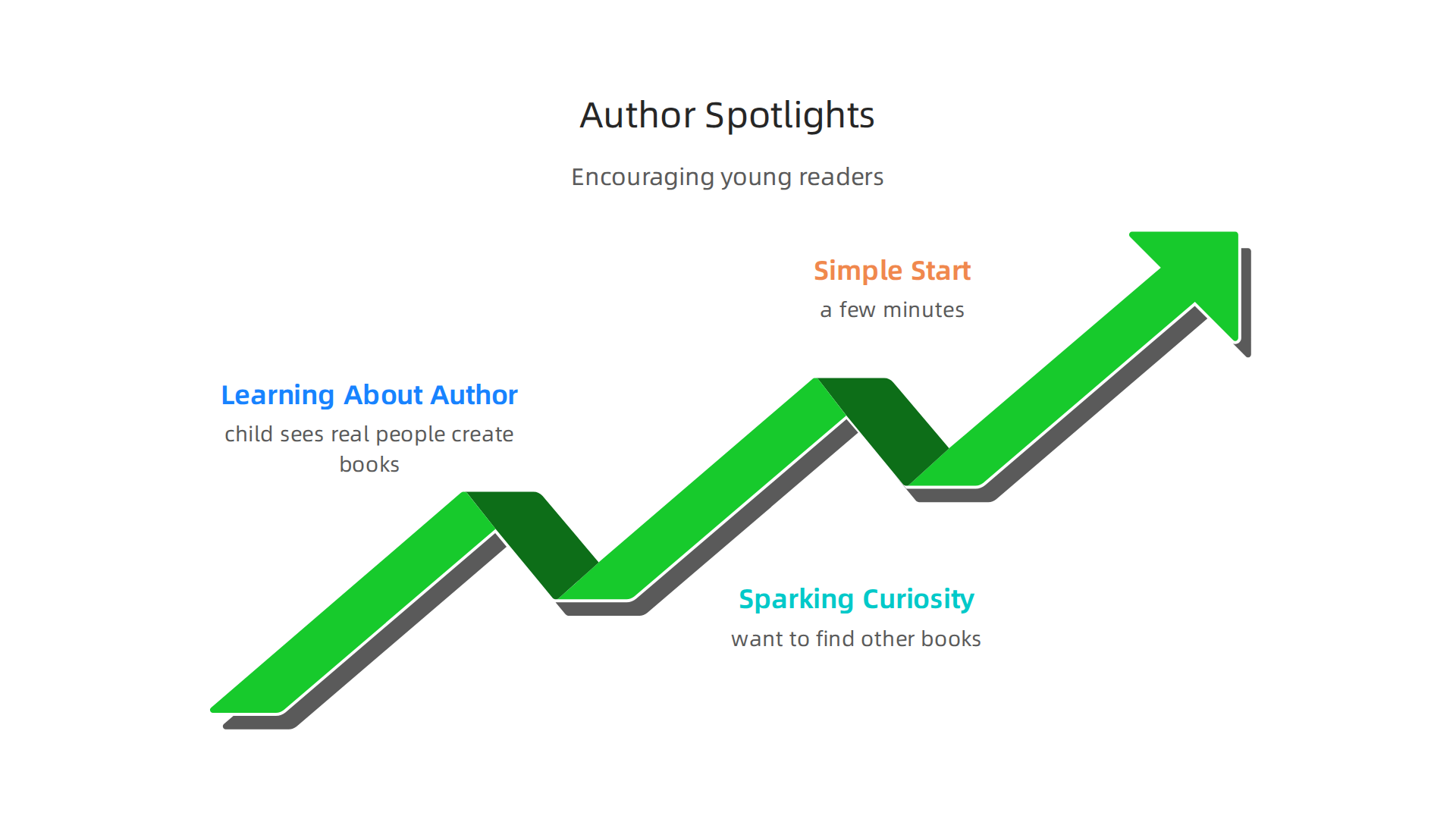
Why Learning About the Author Matters
Think about it. Your child loves Pete the Cat. They know the songs. They know the groovy attitude. But do they know about the people who made it all happen?
When you share that James Dean started drawing Pete as a hobby, or that Kimberly Dean helped turn those drawings into full stories, your child sees that real people create books. That makes the whole thing feel more personal. Suddenly, your child might think, "I could make a story too."
Research backs this up. A study published in the National Institutes of Health found that the amount of time parents spend reading with children predicts later vocabulary and reading comprehension.

When children are excited about the author, they want to read more. And more reading leads to better reading skills.
The teachercreatedmaterials blog on repeated read-alouds also notes that engaging kids in the reading process fosters fluency and a love for reading. Author spotlights are a simple way to boost that engagement.
Sparking Curiosity to Explore More Books
Here is where it gets really fun. Once your child knows about an author, they want to find other books by that same person. That curiosity is pure gold for building a reader.
Start with the creators of Pete the Cat. Your child already knows the style. Then expand slowly. Show them other authors with similar appeal. For example, the whimsical worlds in tony diterlizzi books can feel like a natural next step. Or the thoughtful, character-driven stories in lois lowry books for when they are ready for longer tales. As they grow, you can even introduce the best teenage sci fi books to keep the habit strong.
Teachers and librarians see this all the time. When they introduce an author alongside the story, kids ask more questions. They grab more books. They stay engaged longer.
A Simple Way to Start at Home
You do not need a lesson plan. Just a few minutes before or after reading.
When you finish Pete the Cat and His Magic Sunglasses, say something like, "Did you know James Dean made this book? He was an artist first. He drew Pete for fun." That is all it takes. Your child will probably ask more questions. You can look up a quick video interview or read the author bio together.
This simple habit turns reading into a richer experience. It builds background knowledge and makes your child feel like an insider. And that feeling keeps them coming back for more.
For more ideas on making reading exciting, check out these epic books for kids that inspire a love of reading. They are perfect for building on that author curiosity.
The Legacy and Awards of the Pete the Cat Series
You might think a blue cat with big eyes is just a cute character. But over the years, Pete the Cat books have become something much bigger. They have earned a real place in children’s literature.
Bestseller Status and Recognition
This series is not just popular at your house. It is popular everywhere. By 2023, the Pete the Cat series had sold over 15 million copies in the United States alone, according to Gitnux. That is a huge number for any book series.
The first book, Pete the Cat: I Love My White Shoes, started small. James Dean and Eric Litwin self-published it in 2008. It sold 7,000 copies in just 10 months. Then HarperCollins picked it up. The rest is history.
The series has shown up on bestseller lists many times over the years. It has also received awards from literacy organizations, parenting groups, and educator associations. Schools and libraries across the country recommend these books for early readers.
Beyond the Books
The legacy of the Pete the Cat books goes far beyond the pages. The series has grown into a full world.
You can find Pete the Cat in interactive apps where kids can read along and play. There is an animated series on streaming platforms that brings the stories to life. Live stage shows, like the one at the Luther Burbank Center for the Arts, let families see Pete sing and dance on stage.
And yes, the merchandise is everywhere. Stuffed animals, backpacks, lunch boxes, and clothing. If your child loves Pete, they can carry him everywhere.
Why It All Matters
So why does this legacy matter for your child?
When a series gets this kind of recognition, it means adults who know kids well have given it a thumbs up. Teachers trust these books. Librarians hand them out. Parents buy them again and again.

The critical acclaim from educators and literacy experts tells you one thing. These books work. They help children learn to read, build confidence, and develop a love for stories.
And that love can lead to bigger adventures. If your child has outgrown some of the simpler Pete books, you can explore more complex stories together. Check out these epic books for kids that inspire a love of reading. They might be the perfect next step.
The legacy of Pete the Cat is not just about awards or sales numbers. It is about the millions of children who learned to love reading with a cool blue cat by their side. That is a legacy that will keep growing for years to come.
Summary
This article traces the rise of Pete the Cat from a self-published 2008 picture book to a multi-million copy children’s franchise, explaining who created the character and why the series works so well for early readers. It describes the two creative eras — Eric Litwin’s musical, repetitive first four books and James and Kimberly Dean’s later, more narrative-focused volumes — and shows how those differences affect storytime. The piece explains the literacy benefits of rhythmic text, repetition, bright illustrations, and predictable language for building vocabulary, fluency, and reading confidence. It also offers practical ways to use author spotlights to spark curiosity, encourage exploration of other books, and make reading feel personal. Finally, the article covers the series’ legacy, awards, and extensions into apps, TV, and merchandise, giving parents and educators clear reasons to include Pete the Cat in early literacy routines.