
Do you ever feel like you are drowning in fantasy books?
You scroll through endless lists on multiple sites. You see hundreds of covers, blurbs, and ratings. Your to-read pile grows faster than you can read.

And somehow, you still cannot find the perfect book for tonight.
You are not alone. Fantasy readers today face a real problem. There is too much choice. One recent survey found that more than one in three readers finish over 100 books each year. But finding the right story among millions of titles takes serious effort. That is where platforms like Green Apple Books come in. They offer a more personal way to discover stories you will actually love.
Many readers turn to general book sites for help. They browse Goodreads giveaways for free copies. They search for free books to read online through library apps. They join a book of the month club for curated picks. Others dig through Bernie’s book bank for donated titles. These options work, but they often miss the special touch that indie bookstores provide.
That is why we created this listicle. We compare the top digital reading platforms side by side. We look at how each one handles genre-specific curation, community features, and accessibility. And we put a special spotlight on indie bookstores like Green Apple Books that bring real human taste back into the discovery process.
By the end, you will know exactly where to find your next great fantasy read without wasting hours searching.
Curious about the story worlds and characters waiting for you? Explore The Books & Characters to start a guided journey through imaginative fantasy picks.
1. Green Apple Books: The Indie Curator’s Choice for Fantasy Discovery
Imagine walking into a bookstore where every shelf feels handpicked just for you.

That is exactly what Green Apple Books delivers. This San Francisco indie has been around for decades, and they have mastered the art of recommending fantasy books that algorithms simply miss.

Here is the thing. When you browse a big online retailer, you see what everyone sees. But Green Apple Books lets real human booksellers tell you what they actually loved reading last week. They organize their fantasy section by vibe and trope, not just by author last name. That means you can find a cozy fantasy farm story right next to an epic dragon war novel if the staff thinks you will enjoy both.
Their online store brings that same smart curation to your screen. You can browse staff picks from the comfort of home and get books shipped straight to your door. It is the perfect blend of old-school bookstore trust and modern convenience.
Research shows that readers trust independent bookstores precisely because of how they choose their stock. One study from Harvard Business School found that curation is a key factor in the resurgence of indie bookstores. They pick books with a specific audience in mind, not just popular titles. That is a huge win for fantasy readers who want hidden gems rather than just bestsellers.
Green Apple Books also connects you to a community of fellow fantasy fans. You can follow their newsletters, attend virtual events, and discover books that match your specific tastes without scrolling through endless lists.
Ready to find your next favorite world? Explore The Books & Characters to start a guided journey through imaginative fantasy picks.
For more tips on cutting through the noise, check out this guide on smarter fantasy book discovery.
2. Goodreads: Community-Driven Recommendations with Genre Limitations
Goodreads is the giant of book discovery. Millions of readers use it to track what they read, rate books, and leave reviews.
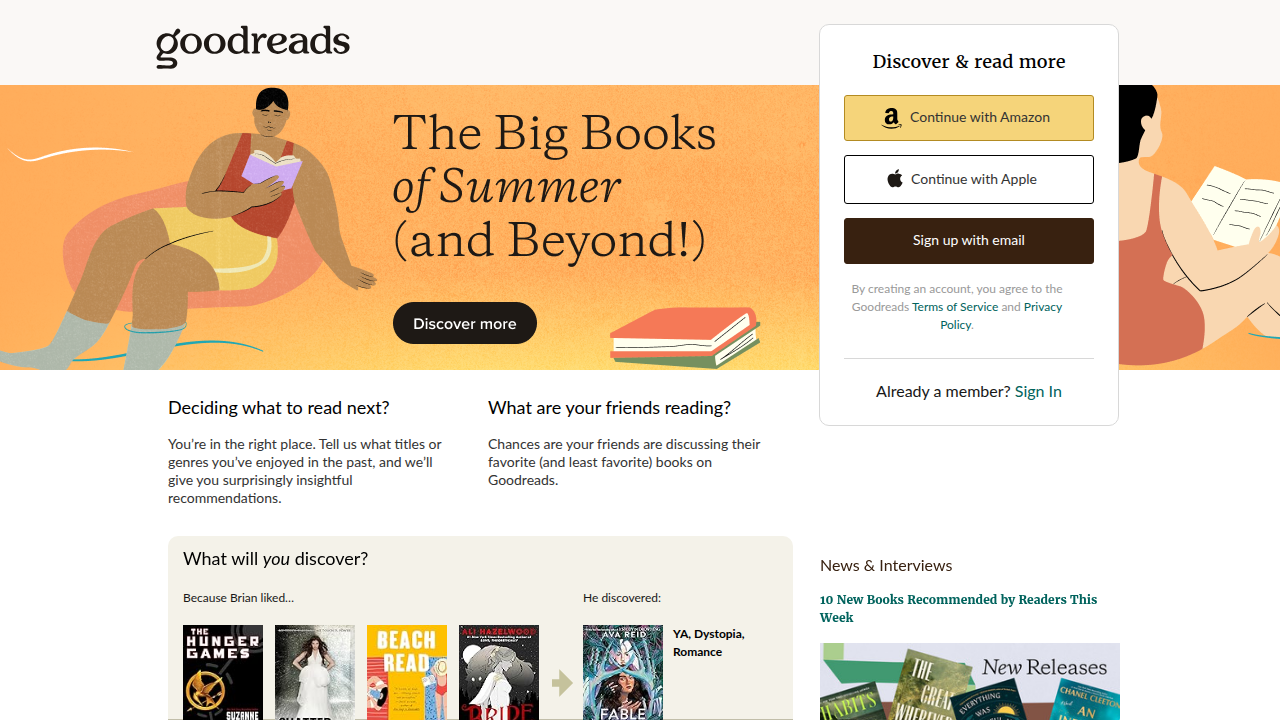
If you want to know what a book is about before buying, Goodreads is often the first stop.
The platform shines because real people power it. You can create custom shelves to organize your fantasy reads by mood or theme. You can join groups where fans debate the best magic systems and recommend hidden gems. The annual Goodreads Choice Awards also spotlight popular fantasy novels. That community energy is powerful.
But here is the catch. Goodreads has a popularity bias problem. The books that show up first are the ones with the most ratings and reviews. That means Sarah J. Maas and Brandon Sanderson dominate your feed while a quiet indie author with a brilliant world gets buried. The search filters are basic. You cannot easily sort by subgenre like cozy fantasy, grimdark, or portal fantasy. You end up scrolling through endless lists of the same big names.
The shelf system lets you organize, but discovery is still diluted by what everyone else already loves. Groups and discussions do offer peer expertise, but quality varies wildly. Some lists are curated with care. Others are just random piles of popular titles.
So how do you fix that? You need a tool that combines community wisdom with genuine curation. That is where expert guides come in.
For a deeper look at how top fantasy bookstores get it right, check out this article on the magic of fantasy bookstores. It shows what Goodreads is missing.
If you want a more focused way to find your next great fantasy read without the noise, you can Join The Newsletter for regular picks tailored to real fantasy fans.
And if you are ready to try a completely different approach to book discovery, Join An Experiment to test a simple method that cuts through the clutter.
3. StoryGraph: Data-Driven Genre Specificity for Fantasy Readers
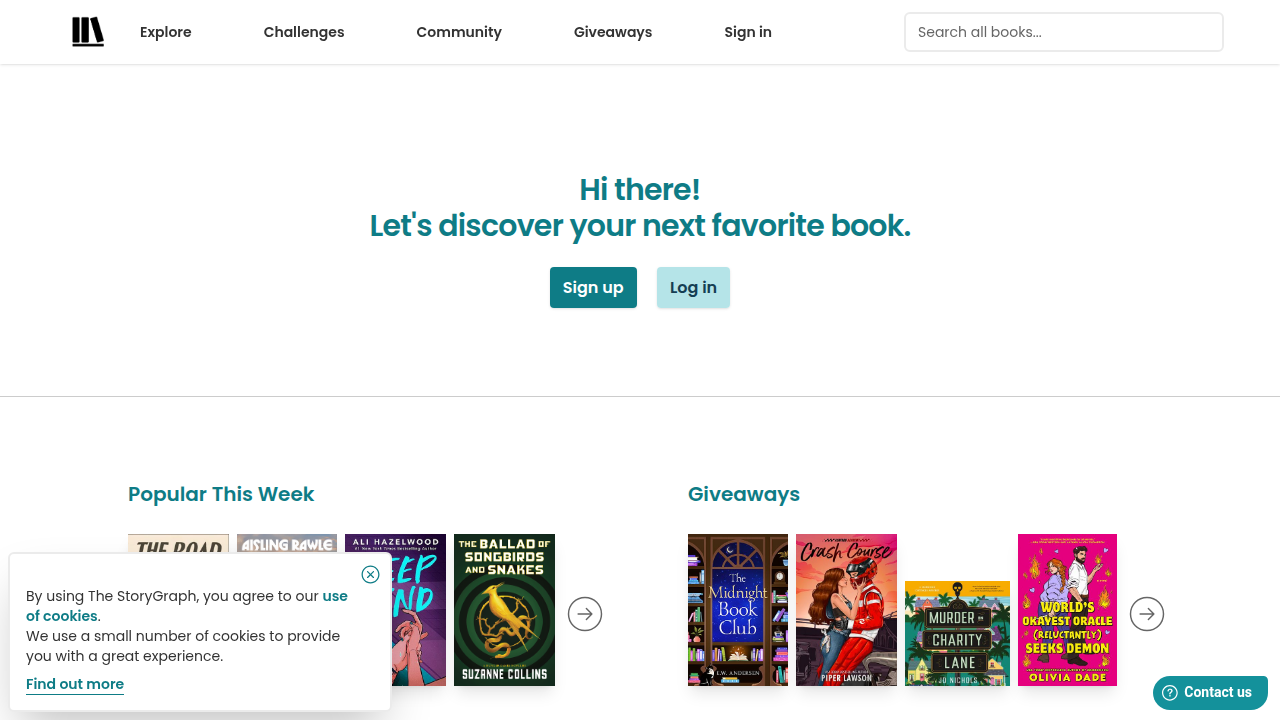
So Goodreads leaves you drowning in popular titles. What if you could search by the exact reading mood you are in right now? That is exactly what StoryGraph does.
StoryGraph goes way beyond basic genre tags. It uses mood and pace labels to help you narrow down your next read.
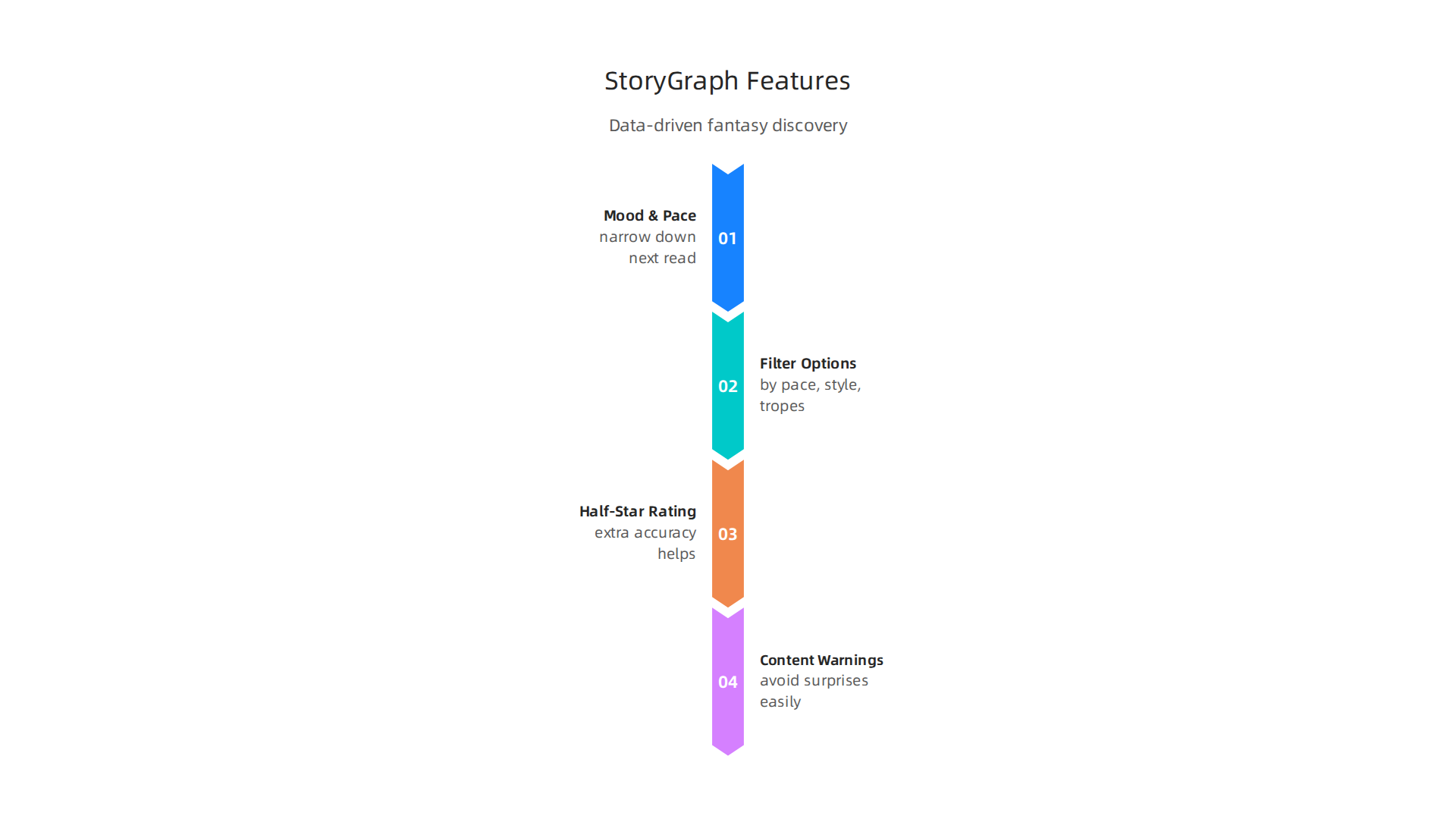
You can look for something "dark" and "fast-paced" or "adventurous" and "slow." Each book gets a mood tag set by the community, so you know the general vibe before you commit.
This is a game changer for fantasy fans. Fantasy is huge. It covers everything from cozy magical villages to brutal war epics. StoryGraph lets you filter by pace, narrative style, and even tropes like "found family" or "slow burn." You can avoid the books that drag or skip the ones that rush.
Another big win is the half-star rating system. No more rounding up or down. You can give a book 3.5 stars and feel good about it. That extra accuracy helps when you are comparing books on your to-read list.
StoryGraph also adds content warnings that readers can flag. This helps you avoid surprises and makes choosing a book feel safer. All of this cuts down on analysis paralysis. You spend less time wondering and more time reading.
Check out how mood and pace tags on StoryGraph compare to other book trackers. It is a smarter way to find fantasy that actually matches your current mood.
For more smart ways to find your next read, take a look at our list of the best fantasy books to read in 2026 across every subgenre. It pulls together exactly the kind of curated picks StoryGraph helps you discover.
And if you want a deeper path into story worlds with character context and reviews, you can Explore The Books & Characters for a more personal take on what to read next.
4. Amazon: The Double-Edged Sword of Algorithmic Discovery
Amazon is the giant in the room. You probably already have an account and have bought books there before. For fantasy readers, it is both a blessing and a curse.
The "Customers also bought" feature can be helpful. It connects you to books that other fantasy fans picked up. But here is the catch. The algorithm favors proven sellers. So you keep seeing the same books by Brandon Sanderson, Sarah J. Maas, and Patrick Rothfuss. That is fine if you want mainstream hits. But if you are looking for something off the beaten path, the algorithm does not help much.
Amazon’s search tools are also limited. You can type in "epic fantasy" and get pages of results. But there is no way to filter by mood, pace, or narrative style. You cannot search for "cozy fantasy with a slow burn romance" the way you can on StoryGraph. This makes discovery feel random and frustrating.
Customer reviews and the "Look Inside" sample are your best quality checks. They help you decide if a book is worth your time. But watch out for paid placements. Some books appear higher in search results because the publisher paid for that spot, not because they are better reads. You have to dig a little deeper to find the real hidden gems.
The 2026 State of Reading Report found that readers now trust human recommendations over algorithms.

That is a big shift. It means we are all looking for better ways to find books.
For a detailed walkthrough of Amazon’s search tools, take a look at this guide on how to find fantasy books on the Kindle website. It will save you time.
If you are ready to try a curated approach instead of fighting the algorithm, you can Explore The Books at a handpicked collection of imaginative fantasy stories.
And if you are curious about a simple way to break your scrolling habit and discover something new, Join An Experiment that turns reading into a playful challenge.
5. BookTok & BookTube: Visual and Influencer-Driven Discovery for Fantasy
You have probably found yourself down a rabbit hole on TikTok or YouTube, watching someone talk passionately about a fantasy book.
That is how many readers discover their next favorite series now.
BookTok has an incredible power to launch fantasy titles into the spotlight. Think about books like "Shatter Me" or "Fourth Wing." A few creators made videos, and those books exploded. The algorithm pushed them to millions of people. Suddenly, everyone was reading the same thing.
The best part is how specific these creators can get. You do not have to scroll through generic lists. You can find someone who only reads grimdark fantasy. Or cozy fantasy. Or epic fantasy with detailed magic systems. One creator might focus on dark romantasy with morally gray characters. Another might review lighthearted adventures with found family. That level of specialization makes discovery feel personal.
But here is the thing you need to watch out for. Hype cycles are real on these platforms. A book gets pushed hard for a few weeks, then everyone moves on. Some of those viral picks are genuinely great. Others are just okay. The short video format does not give you much depth. You see a pretty cover and an emotional caption, but you do not learn whether the pacing or writing style actually fits you.
Still, the human connection is powerful. A real person telling you why they loved a book often beats any algorithm. That is why a platform like the StoryGraph has grown so fast. It combines community mood and pace tags with reader input. You can check out a detailed fantasy romance book tracker comparison to see how these tools help you find books by mood instead of just popularity.
If you prefer physical browsing, local shops like green apple books often stock the fantasy titles trending on BookTok. It is a nice way to support indie stores while following the buzz.
BookTok and BookTube work best when you treat them as a starting point. Use them to discover new names. Then check reviews, samples, or curated lists before committing.
If you want ongoing book recommendations delivered to your inbox, you can Join The Newsletter and stay connected to a community of fellow fantasy explorers.
6. Libby: Library Access for Sustainable Fantasy Reading
After scrolling through BookTok hype, you might want a way to try books without spending money. That is where Libby comes in.
Libby is a free app that connects to your local public library. You borrow e-books and audiobooks instantly, right from your phone or tablet.
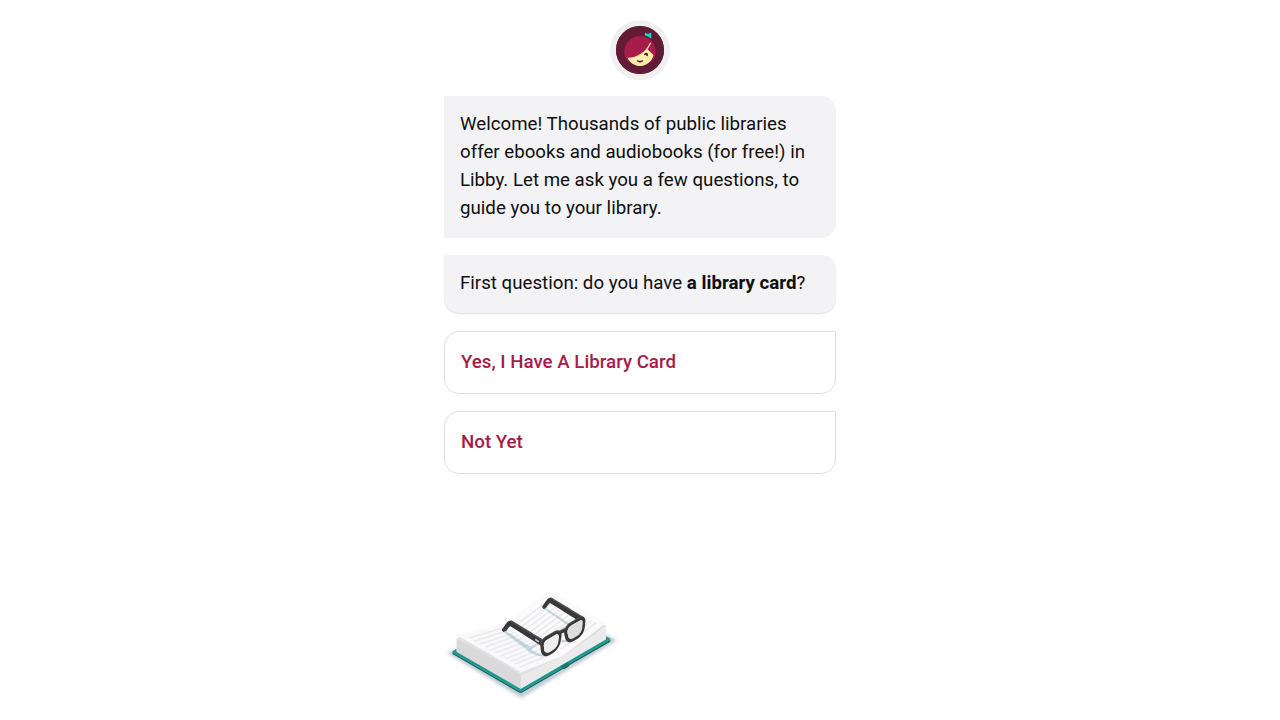
No late fees. No driving to the branch. Just a library card and a few taps.
For fantasy readers, this is huge. You can grab the latest romantasy novel or a classic epic series without worrying about cost. If you start a book and it does not click, you return it and try another. Zero guilt. That freedom makes it easy to explore new authors you would never risk buying.
Librarians also curate lists inside Libby. They highlight hidden gems, diverse voices, and award winners. In 2026, the Libby Book Awards winners named Bury Our Bones in the Midnight Soil by V.E. Schwab as Best Fantasy. Those librarian picks save you from analysis paralysis.
The one catch is hold times. Popular fantasy titles sometimes have weeks-long waitlists. But you can place multiple holds and let them arrive naturally. While you wait, browse the "available now" section for something new. You might discover a book you never heard of.
Libby gives you instant access to thousands of free books to read online. It is a sustainable way to feed your fantasy habit without burning your wallet.
If you want to pair Libby with a curated reading list, check out the best fantasy books to read in 2026 across every subgenre. That list can guide your next library borrow.
And to go deeper into the story worlds you fall in love with, you can Explore The Books & Characters and find even more fantasy to fuel your imagination.
7. Personal Curation Tools: Taking Control of Your Fantasy Reading List
Libby gives you instant access to thousands of books. But once you have all those options, how do you actually decide what to read next? That is where personal curation tools come in.
Instead of letting an algorithm or a random BookTok video pick your next read, you can build your own system.
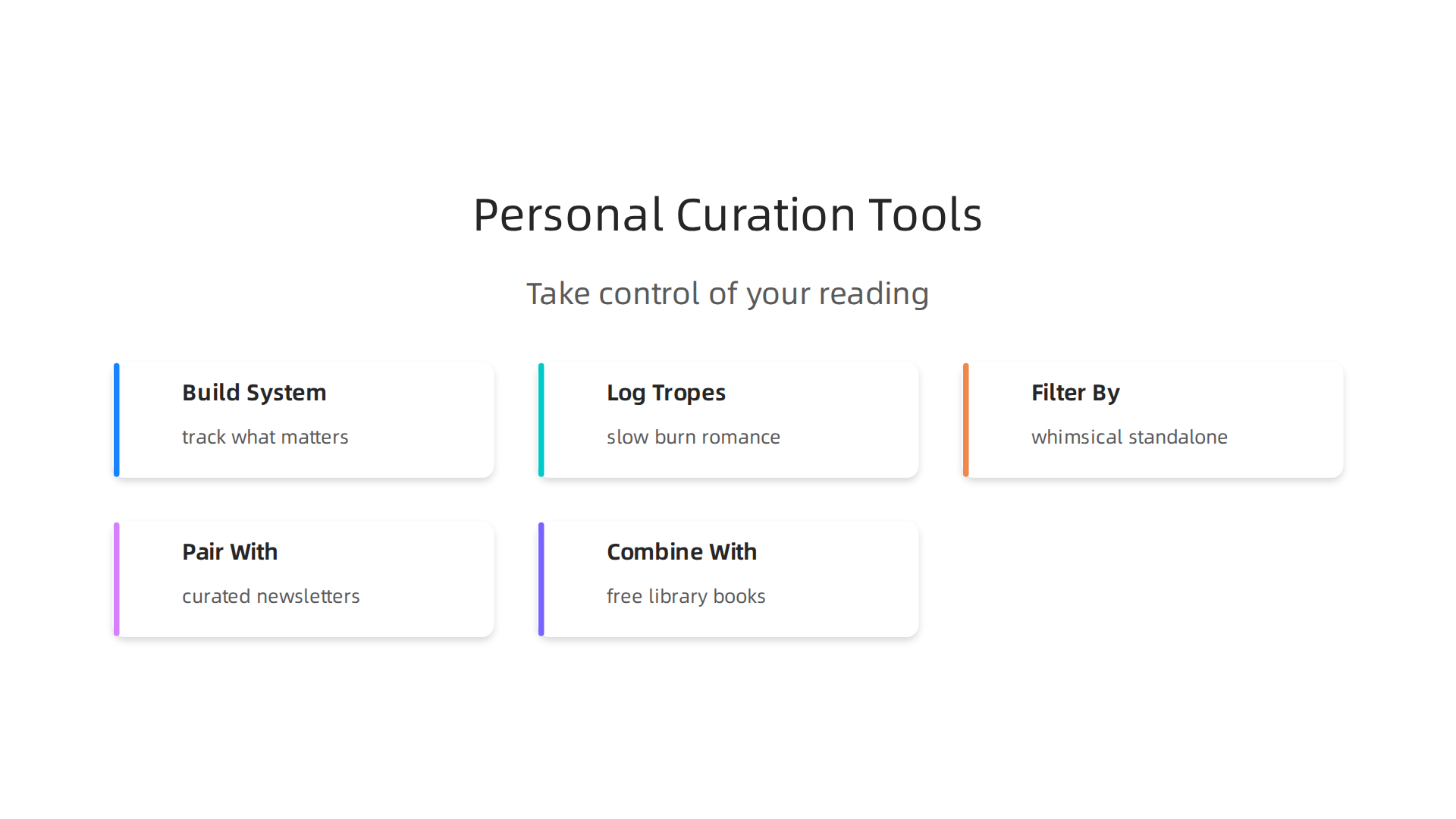
Many fantasy readers now use simple spreadsheets or apps like Notion to track what matters to them. You log tropes (slow burn romance, found family), moods (dark and gritty vs. cozy and warm), and subgenres (urban fantasy, epic fantasy, romantic fantasy). Over time, this personal database becomes your private discovery engine. You can filter by "whimsical standalone with a happy ending" and get three perfect picks.
Pair your tracker with curated newsletters and blogs. Sites like Book Riot and Fantasy Faction send tailored recommendations straight to your inbox. For example, the Libby’s Most Popular Books of 2026 So Far list shows what other readers are loving, which you can cross-reference with your own taste.
Even physical bookstores like Green Apple Books offer curated staff picks that you can add to your personal tracker. And when you combine this system with free books to read online from your library, you get a powerful way to read more without spending a dime. You can also track which Goodreads giveaways match your taste or subscribe to services like Book of the Month for a curated monthly selection.
The goal is to reduce your reliance on any single platform. You become your own librarian. For deeper strategies on building this system, check out this guide on smarter fantasy book discovery.
If you want ongoing curated picks and updates straight to your inbox, Join The Newsletter and never miss a new fantasy world worth exploring.
8. Niche Fantasy Platforms & Indie Store Networks: The Future of Discovery
Personal curation tools give you control. But sometimes the best discoveries come from communities built around the fantasy genre itself. That is where niche platforms and indie store networks shine.
You might remember Litsy. That app was a short-lived social network for book lovers. It is gone now, but it taught us something important. People want focused spaces where they can talk about books without noise from other genres. Today, platforms like Reedsy Discovery carry that torch. They connect readers directly with debut authors and self-published fantasy titles that big retailers often overlook.
Independent bookstores add another layer. These local shops know their shelves and their customers. Stores like Green Apple Books often partner with other independents to share recommendation lists. A store in San Francisco might swap staff picks with a shop in Portland. The result is a cross-platform network built on real reader taste, not algorithms.
This matters because mainstream platforms tend to push the same big names. If you want fresh voices, experimental worlds, or hidden gems, you need these alternative routes. Many fantasy readers in 2026 are turning to indie networks to find their next obsession. One popular post even dubbed 2026 as the year to read more indie books.
These networks also make it easy to combine with other discovery tools. You can track indie finds in your personal database, compare them with mainstream lists, and build a truly unique reading year. For a deeper look at how indie bookstores compare, check out this guide on the best online bookstores for fantasy books.
If you want to explore the story worlds and characters behind some of the most imaginative fantasy recommendations, Explore The Books & Characters that make this genre so special.
Summary
This article compares the top digital and human-powered ways fantasy readers discover new books, from indie bookstores like Green Apple Books to large platforms such as Goodreads, StoryGraph, Amazon, BookTok/BookTube, and Libby. It explains how each option handles curation, community features, genre specificity, and accessibility, and highlights the trade-offs between algorithm-driven recommendations and human taste. You’ll learn practical tips for finding books that match your mood—like using StoryGraph’s mood and pace tags—how to avoid popularity bias on Goodreads and Amazon, and how to use Libby to try books for free. The piece also covers building your own tracker and tapping niche indie networks to surface fresh voices. By the end, you’ll know which platforms to use for quick picks, deep discovery, or risk-free sampling so you can stop scrolling and start reading the right fantasy tonight.