Introduction: The Power and Peril of the Printed Page
Have you ever picked up a book and felt like you stepped into another world? That is the magic of a good story.
It lets you see life through someone else’s eyes. It introduces you to new ideas, new cultures, and new possibilities.
But here is the problem. What if someone decided you should not have that experience? What if a favorite book was taken off the shelf before you even got a chance to read it?
Right now, in 2026, this is happening more than ever. The American Library Association Shares 2025 Book Ban Data reported that over 4,200 unique books were targeted for censorship last year alone. Many of these are stories from bestselling authors and exciting new novels that bring fresh voices to the fantasy genre. For readers who love discovering diverse worlds, this trend is a direct threat to the joy of reading.
Whether you love epic tales or want to curate amazing reads for your diverse fantasy book club, it is important to understand what is happening.
This article will explain what banned books are, why they matter, and how you can take action to protect the freedom to read. If you want to keep discovering great stories and stay in the loop, we invite you to Join The Newsletter for ongoing book news and recommendations.
What Are Banned Books? A Definition and Modern Context
Let’s get clear on the terms. The American Library Association (ALA) draws a line between a "challenge" and a "ban." A challenge is an attempt to remove or restrict a book. A ban happens when that attempt works and the book is actually taken off the shelves.
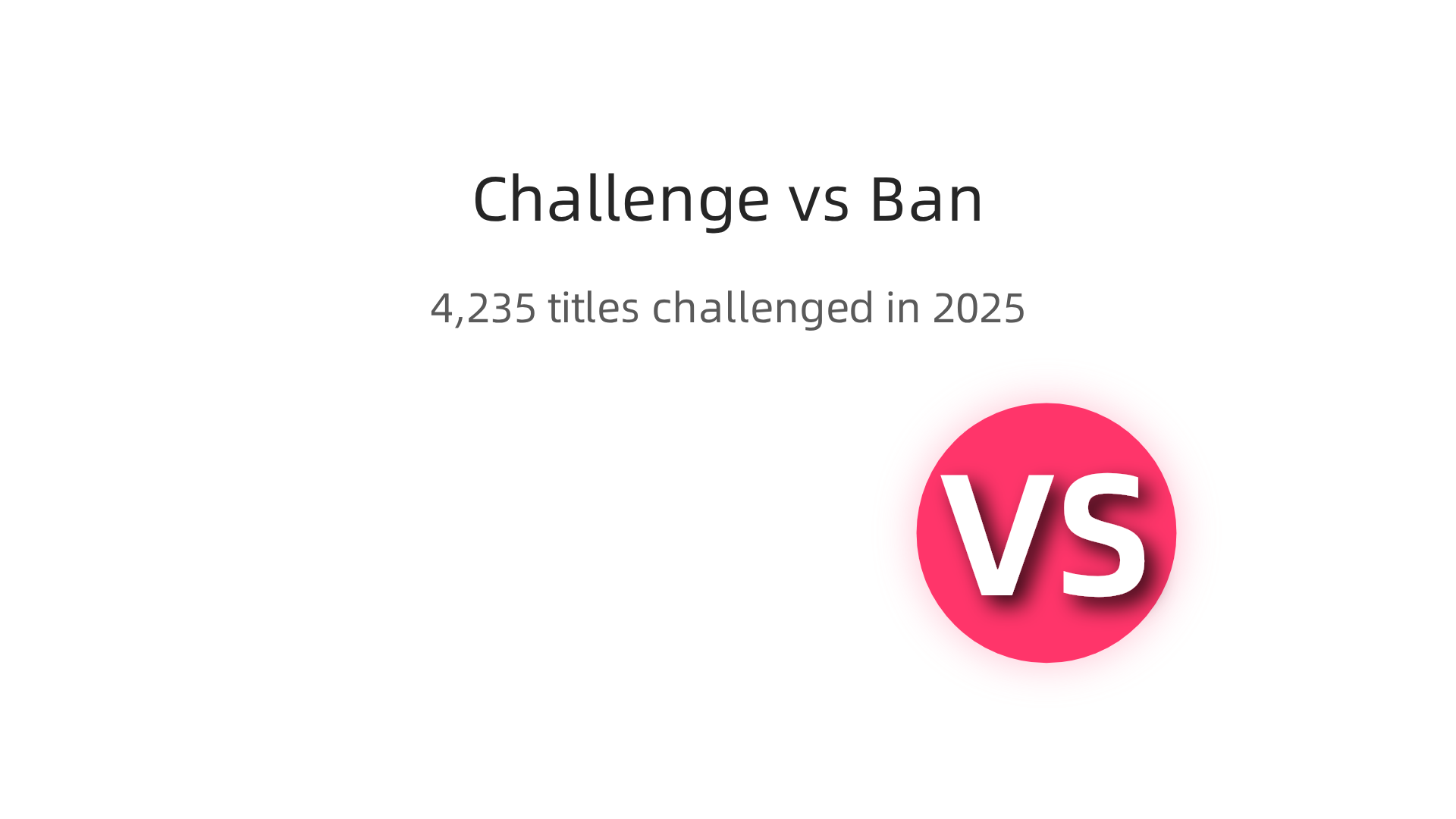
So every ban starts with a challenge, but not every challenge ends in a ban.
Right now, the number of challenges is off the charts. According to the ALA’s Banned Books Week page, a record number of unique titles were challenged in 2025. The University of Southern California banned books data page reports that 4,235 unique titles were challenged that year. That is almost double the 2,452 challenged in 2024.
Why should fantasy readers care? Because some of the most popular fantasy books are on the target list. Sarah J. Maas’s A Court of Thorns and Roses and Empire of Storms both made the top eleven most challenged list for 2025. Some of the biggest names in the genre are being pulled from library shelves.
If you love epic fantasy stories, this trend matters to you. It means books you enjoy or plan to read might disappear before you get a chance. Understanding the difference between a challenge and a ban is the first step to knowing how to protect the stories you love. After all, the best way to fight censorship is to keep reading and talking about these books. If you want to dive deeper into the worlds and characters behind these stories, you can Explore The Books & Characters at Doridiculous to find your next great read.
A Brief History of Book Banning
Book banning is anything new. People have tried to control what others read for thousands of years. Ancient rulers burned books to silence different ideas. The Catholic Church put out lists of forbidden books for centuries. Even in the early United States, some states banned novels for being too corrupting.
What changed is the target. Fantasy and speculative fiction have always drawn fire. Think about the Harry Potter series. Religious groups challenged those books for years, claiming they promoted witchcraft. Philip Pullman’s His Dark Materials faced similar attacks for its take on religion. These fantasy books have survived challenges and stayed on shelves. But the pressure has kept coming for decades.
The current moment is different. The scale is like nothing we have seen since the 1980s, when organized groups first started pushing coordinated censorship campaigns. According to the latest 2025 book ban data from the American Library Association, the number of unique titles challenged in 2025 nearly matched the all time record set in 2023. That is way higher than any year before 2021. And organized groups make up most of those challenges now.
Why does this history matter for fantasy readers? Because the stories we grew up with and the new novels we look forward to are squarely in the crosshairs. Classic series like the Narnia series have also been challenged over the years. Understanding this pattern helps us see that what is happening today is part of a long struggle over who gets to decide what we read.

And that struggle is far from over.
Why Are Books Banned? Common Reasons and Hidden Agendas
When a book gets challenged, the reasons are often the same. People who file complaints usually say the book has sexual content, offensive language, or material that is not suitable for a certain age group.
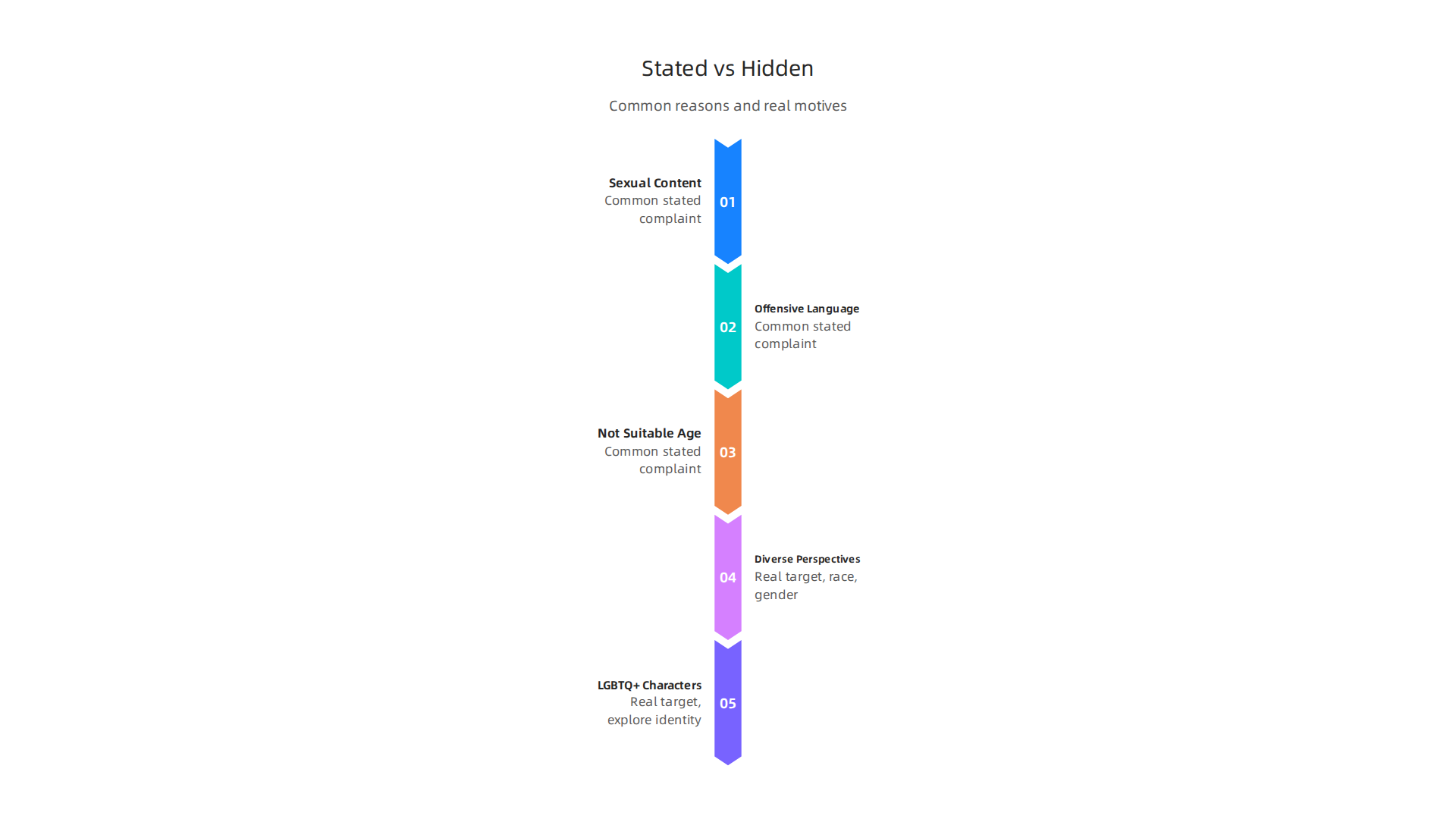
Religious viewpoints also drive many challenges. Parents might worry about a book that questions their faith or shows different beliefs.
But here is the thing. The real reasons often go deeper than the ones people say out loud. According to the history of book bans in the U.S., organized groups today are not just worried about one scene or a few bad words. They are targeting books that share diverse perspectives, especially stories about race, gender, and sexuality. The stated reason might be "sexual content," but the real target is often a book that includes LGBTQ+ characters or explores identity. The goal is to remove stories that do not fit a narrow worldview.
So how does a book actually get banned? It starts with a formal challenge. A parent, a community member, or an organized group files a complaint with the school or library board. Then a committee reviews the book. They decide if it should be moved to a restricted section, kept on the shelf, or removed entirely. This process sounds fair, but in practice, many books get pulled before a real review happens. And once a book is removed, it is very hard to get it back.
If you want to discover new fantasy stories that push boundaries and explore different perspectives, Join An Experiment and find your next great read.
Who Challenges Books? The Key Players
So who is actually filing these complaints? It is not just one type of person. Several different groups have a hand in getting books removed from shelves.
Parents are the most common source of book challenges. A mom or dad might walk into a school library and ask for a title to be moved or taken out.
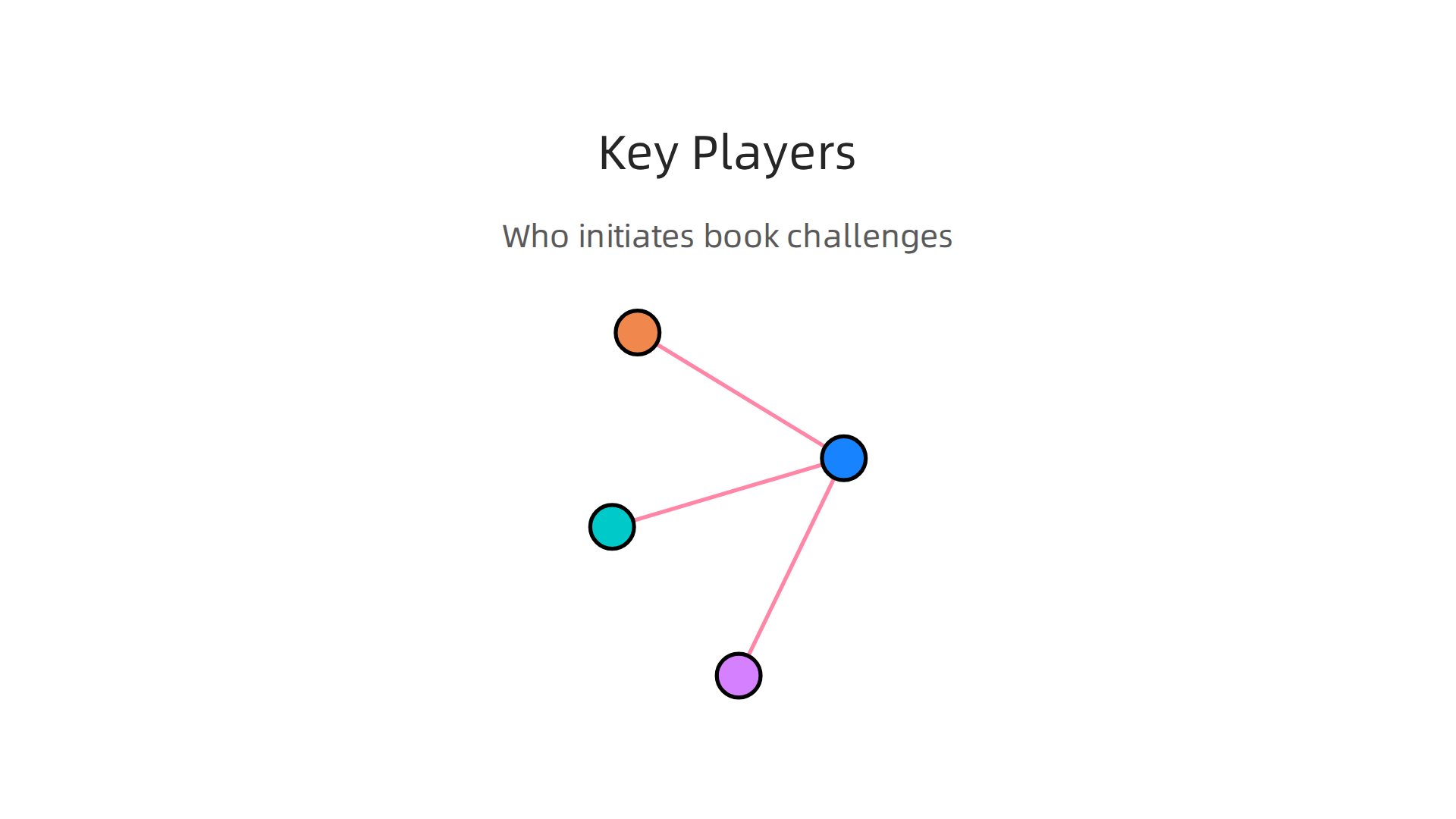
That has always been part of the process. But what has changed in recent years is how organized these efforts have become.
Groups like Moms for Liberty now coordinate book challenges across the country. They share lists of targeted books, offer templates for filing complaints, and push school boards to act faster. According to the normalization of book banning report, organized challenges have skyrocketed in the last few years. The same books get targeted in multiple school districts at the same time. That coordination is new, and it makes a big difference.
Elected officials also play a major role. Some state lawmakers propose bills that make it easier to remove books from schools and libraries. Others pressure local school boards to act on complaints quickly. Book bans have become a political issue that drives fundraising and media attention.
On the other side, librarians and teachers fight to keep books on shelves. They believe students should have access to many different viewpoints and stories. These professionals often face harassment and threats just for doing their jobs. The tension between those who challenge books and those who defend them is at the heart of every censorship debate.
If you want to explore stories that celebrate different voices and perspectives, check out recommendations for diverse fantasy books that can expand your reading horizons.
The Real Impact of Banning Books on Readers and Society
When books disappear from shelves, the damage goes far beyond one missing title. The effects ripple through classrooms, communities, and individual minds.
Research shows that limiting access to diverse stories hurts critical thinking and empathy.
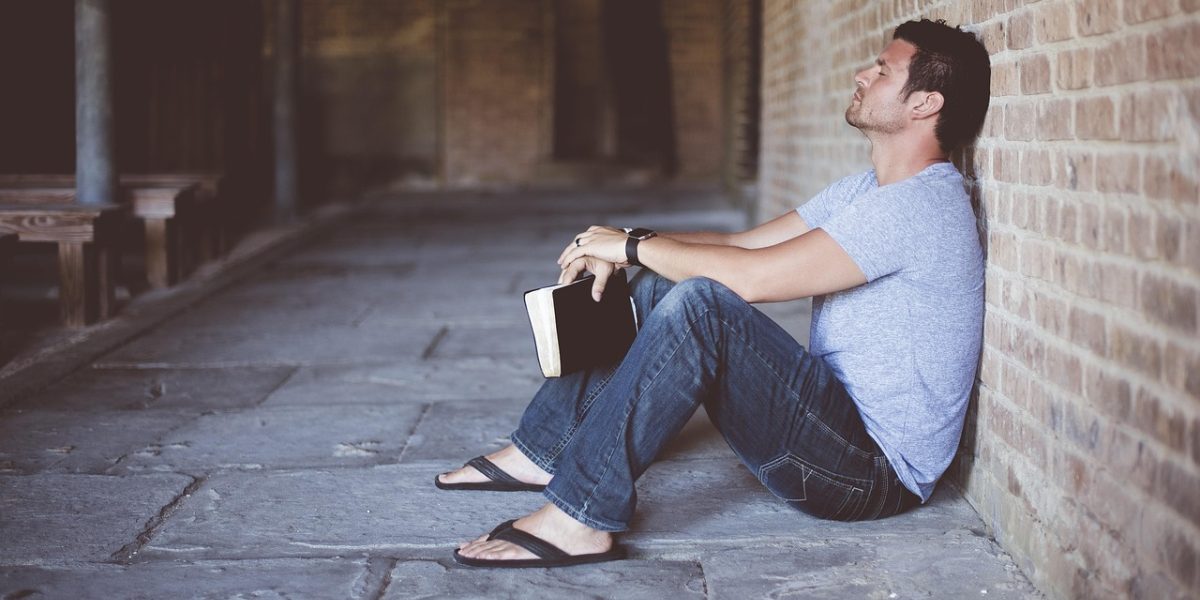
A Psychology Today article on why book bans are bad for mental health explains that reading about characters unlike yourself is one of the best ways to build empathy. When we take those stories away, young people lose the chance to understand perspectives different from their own.
The academic impact is just as serious. A study on the impact of book bans on educators and students found that the conversation around censorship makes it harder for teachers to do their jobs well. Students in districts with high rates of book banning show lower reading scores and less civic engagement.
This is especially true for fantasy books. Young readers turn to fantasy for escape, creativity, and a sense of wonder. Banning those books cuts off a creative outlet that helps kids process emotions and explore big ideas in a safe way. If you want stories that offer that kind of imaginative escape, explore young adult historical fiction that blends real history with compelling characters.
Reading builds connection. It reminds us that we are not alone. When books get banned, that sense of belonging gets threatened. Learning about Recognition & VRS shows how recognition and community engagement can strengthen the bonds that reading creates.
The truth is that book bans do not protect readers. They limit them. And when we close off access to ideas, everyone loses.
The Ripple Effect on Authors and Publishers
Book bans do not only hurt readers. They also hit the people who create and share stories. Authors and publishers feel the pressure, and that changes what books get written in the first place.
Many writers now worry about backlash before they even start a new project. They choose safer topics or leave out characters that might draw challenges.
This self censorship means fewer bold, honest stories make it to shelves. According to The Normalization of Book Banning, some authors report serious emotional impacts that affect their creativity. They fear that future books could face the same attacks.
Publishers notice this too. When a title seems risky, they may decide not to take it on at all. That narrows the range of voices and experiences available to readers. Over time, the diversity of published books shrinks. Readers lose access to important perspectives before they even have a chance to discover them.
Libraries also carry a heavy load. Staff spend hours fighting challenges, writing defenses, and attending meetings to keep books on shelves. That time and money could go toward buying new books or running programs. Instead, it gets eaten up by censorship battles.
If you want to support authors and discover stories that push boundaries, check out how to find diverse fantasy books. Finding books that celebrate different voices helps show publishers and authors that readers want more than safe stories.
Banned Fantasy Books That Shaped the Genre
You might think fantasy is all about escaping reality. But many of the most popular fantasy books have been pulled off shelves. Why? Because they ask readers to question authority, explore different moral ideas, or imagine a world with magic. These banned books helped define the genre itself.
The Harry Potter series is one of the most famous examples. Critics said it promoted witchcraft and the occult. According to the ALA’s most challenged books, Rowling’s series was challenged heavily for these very reasons. The Hunger Games faced bans for violence and being too dark for young readers. The Golden Compass was challenged for its critical view of organized religion.
Fantasy feels dangerous to some because it shows characters breaking rules and building their own belief systems. This freedom makes it a target. Even beloved graphic novels like Bone have been challenged for political viewpoints and violence. Titles like The Giver and Twilight show that even gentle or romantic fantasy gets caught in the crossfire. Since 2021, PEN America has tracked thousands of book bans. Many are fantasy titles, including works by best selling authors like Sarah J. Maas, whose A Court of Mist and Fury has been banned over 100 times.
These challenges do not stop readers from finding these stories. In fact, bans often spark more curiosity. If you are looking for your next great read and want to support diverse storytelling, check out our guide to young adult historical fiction. It offers the same depth and immersive worlds that make fantasy so powerful. Ready to see what the controversy is all about? Explore The Books that have shaped conversations for over a decade.
Why Fantasy Is a Frequent Target of Censorship
Why does fantasy get targeted so often? The answer lies in what fantasy does best. It questions authority, imagines different ways of living, and lets characters break the rules. That freedom is exactly what makes some people uncomfortable.
First, many fantasy stories center on rebellion. Characters rise up against unfair rulers, challenge old beliefs, and build new systems. That can feel threatening to those who want things to stay the same. Second, magic itself gets misinterpreted. Spells, witches, and otherworldly powers are sometimes seen as promoting the occult. The ALA’s Frequently Challenged Books of the 21st Century lists "occult" or "Satanic" themes as a common reason for book challenges. Even gentle magic like in Harry Potter faced this.
Third, fantasy now includes more LGBTQ+ characters and relationships. Stories that show queer heroes living openly have become some of the most challenged books in recent years. In fact, 40% of titles challenged in 2025 represented the experiences of LGBTQ+ people and people of color, according to Coralville Public Library’s top challenged list. That visibility is beautiful and important. But for some, it is another reason to push back.
If you love stories about standing up to the system, check out our guide to divergent books and other YA classics. These books show young people fighting for change in dangerous worlds. They prove that fantasy is not just escape. It is a mirror held up to real life.
How You Can Support Literary Freedom: Practical Actions
Knowing that fantasy faces censorship is one thing. Doing something about it is another. Active allyship means more than just reading banned books. It means showing up and speaking out.
Start with your local community. Attend school board meetings where book challenges get discussed. Your voice matters there.
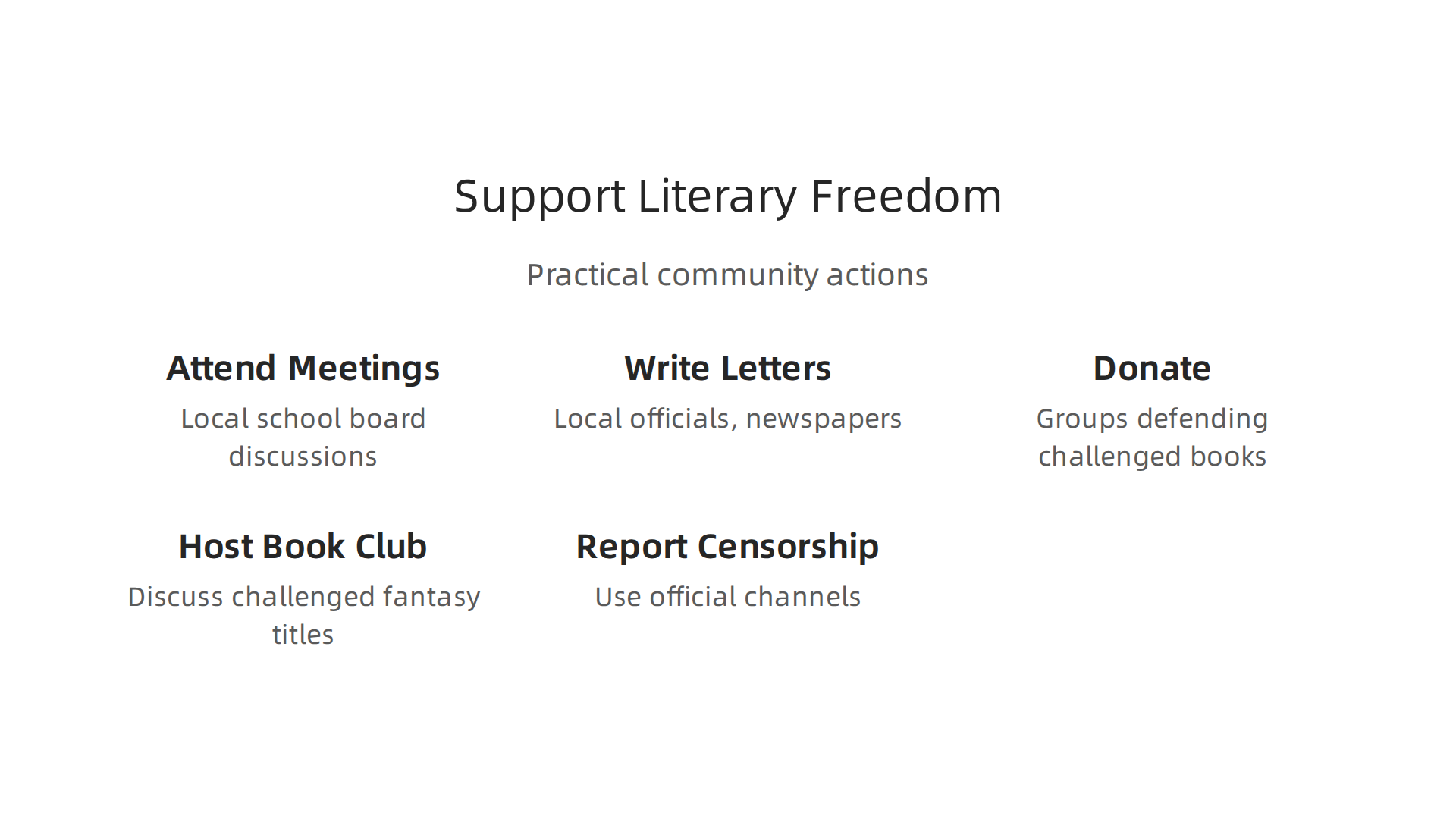
Write letters to local officials and newspapers explaining why access to stories matters. Donate to groups that defend challenged books, like the American Library Association. The official Banned Books Week page offers a full list of practical actions to defend the right to read, including how to report censorship if you see it happening.
Banned Books Week happens every year during the last week of September. It is the perfect time to host a book club discussion around a frequently challenged fantasy title. If you want to build a reading community that celebrates diverse voices, check out our guide to curate amazing reads for your diverse fantasy book club. Book clubs are powerful spaces for conversation and resistance.
Every small action adds up. Whether you attend a meeting, post about a banned book, or simply buy a challenged novel, you are helping keep stories alive for everyone. If you are ready to take the next step and turn your reading into a shared experience, try joining a simple experiment where readers discover and discuss new fantasies together.
Banned Books Week and Other Key Events
Banned Books Week is the biggest annual event for readers who care about literary freedom. It started in 1982 as a response to a sudden spike in book challenges across the United States. Every year during the last week of September, libraries, bookstores, and schools shine a spotlight on books that have been challenged or banned. The goal is simple: remind everyone that the right to read freely matters.
Participating is easy. Pick up a frequently challenged fantasy novel and read it. Host a book club discussion around a banned title. Many libraries host read‑alouds or display banished books. You can find Banned Books Week resources and ways to take action on their official site.
But Banned Books Week is not the only event. Freedom to Read Day happens each January and focuses on speaking out against censorship year‑round. Library Advocacy Day in April is another chance to show up for libraries and the books they protect. These events remind us that defending stories is a job we do all year, not just one week.
You can take it even further by creating your own Read a Banned Book challenge. Choose one challenged fantasy title per month. Invite friends to read along. If you want to find titles that represent different voices and experiences, you can find diverse fantasy books and discover new worlds on Good Fantasy Books. Many banned books are stories that explore identity, culture, or magic in ways that challenge the status quo.
Ready to turn your reading into a mission? Create Your Own Experiment and design a personal banned‑book challenge that fits your life. Every book you read and share becomes a small act of resistance.
Resources for Book Activists: Where to Learn More and Get Involved
Once you are ready to move from reading banned books to taking action, you need to know where to turn. Several organizations work year‑round to protect literary freedom, and they offer tools that make it easy for anyone to join the fight.
Key organizations to know:
- ALA Office for Intellectual Freedom – This is the go‑to group for reporting book challenges and finding model policies for schools and libraries. They also run Banned Books Week.
- PEN America – They track censorship cases across the country and publish detailed reports on book bans. Their website includes a map of challenged books.
- Comic Book Legal Defense Fund – If a comic or graphic novel is under attack, this organization offers legal support and guidance.
Many of these groups provide ready‑to‑use appeal forms and policy templates. The ALA, for example, has a step‑by‑step guide for writing a formal reconsideration request. You can also find advice on how to speak at school board meetings by reading resources like the step‑by‑step guide to protecting literary freedom from the National English Honor Society.
What about further education? A few books and podcasts can deepen your understanding of censorship. The Librarian’s Guide to Book Challenges is a practical handbook. Banned Book Club podcast interviews authors and activists who have faced censorship. Listening to these shows helps you learn how best selling authors and creators of new novels have handled threats to their work.
If you want to turn your passion into a regular practice, consider joining a community that stays on top of this issue. You can Join The Newsletter to get ongoing updates, book recommendations, and ways to participate in events like Fantasy Fest and other literary celebrations. Every voice makes a difference.
Summary
This article explains the surge in book challenges and bans in 2025 and why fantasy readers should care, detailing the difference between a formal