
Why analyze Sapiens, Come As You Are, and Eli Books together?
Picking your next book can feel like a big job. With so many great titles out there, how do you know which one is right for you? Maybe you’ve heard about the famous Sapiens book, or perhaps you’re curious about the Come As You Are book. Then there are other popular reads like "Eli books" or a moving "nightingale book" that might catch your eye. It’s tough to figure out where each of these nonfiction titles fits into your reading plans for 2026.
You might be asking yourself: Does this book share big ideas about history, or is it more about how we think and feel? Will it challenge me, or will it offer comfort? You want to make sure the book you pick will be a good fit for what you like to read and what you want to learn. Sometimes, too many choices can make it hard to choose at all.

You just want to find a good book without spending hours looking through reviews.
This article is here to help you solve that problem. We will give you simple ways to look at books like Sapiens: A Brief History of Humankind, Come As You Are, and "Eli books." We’ll explain what each book is about and who would enjoy it the most. For example, the Sapiens book by Yuval Noah Harari looks at the whole story of people, from the Stone Age up to today, exploring big ideas about how we got here Sapiens: A Brief History of Humankind – Wikipedia. Knowing this helps you see if it matches your interests.
We will share clear ways to decide if a book is for you. We’ll help you understand what kind of information you’ll find in each one and how it might change your way of thinking. Our goal is to guide you to your next favorite read with easy steps. This way, you can spend less time guessing and more time enjoying great stories and ideas. You can even find great places to get your next read from, comparing the best online bookstores for fantasy books compared to see what works best for you.
The Sapiens book is much more than just a history lesson. Yuval Noah Harari’s Sapiens: A Brief History of Humankind takes readers on a huge journey, looking at all of human history from the very beginning until today. It’s not about simple facts and dates, but about the big ideas that shaped us. This non-fiction title is famous for making people think deeply about how humans became the main species on Earth and what that means for our future. It covers everything from how we found fire to how money and empires changed societies, and even how science might shape our lives tomorrow. Bill Gates himself has reviewed the book, calling it a provocative look at human history that asks how humans got smart ‘Sapiens’ asks ‘How did humans get smart?’ | Bill Gates.
Many readers choose the Sapiens book for a few key reasons:
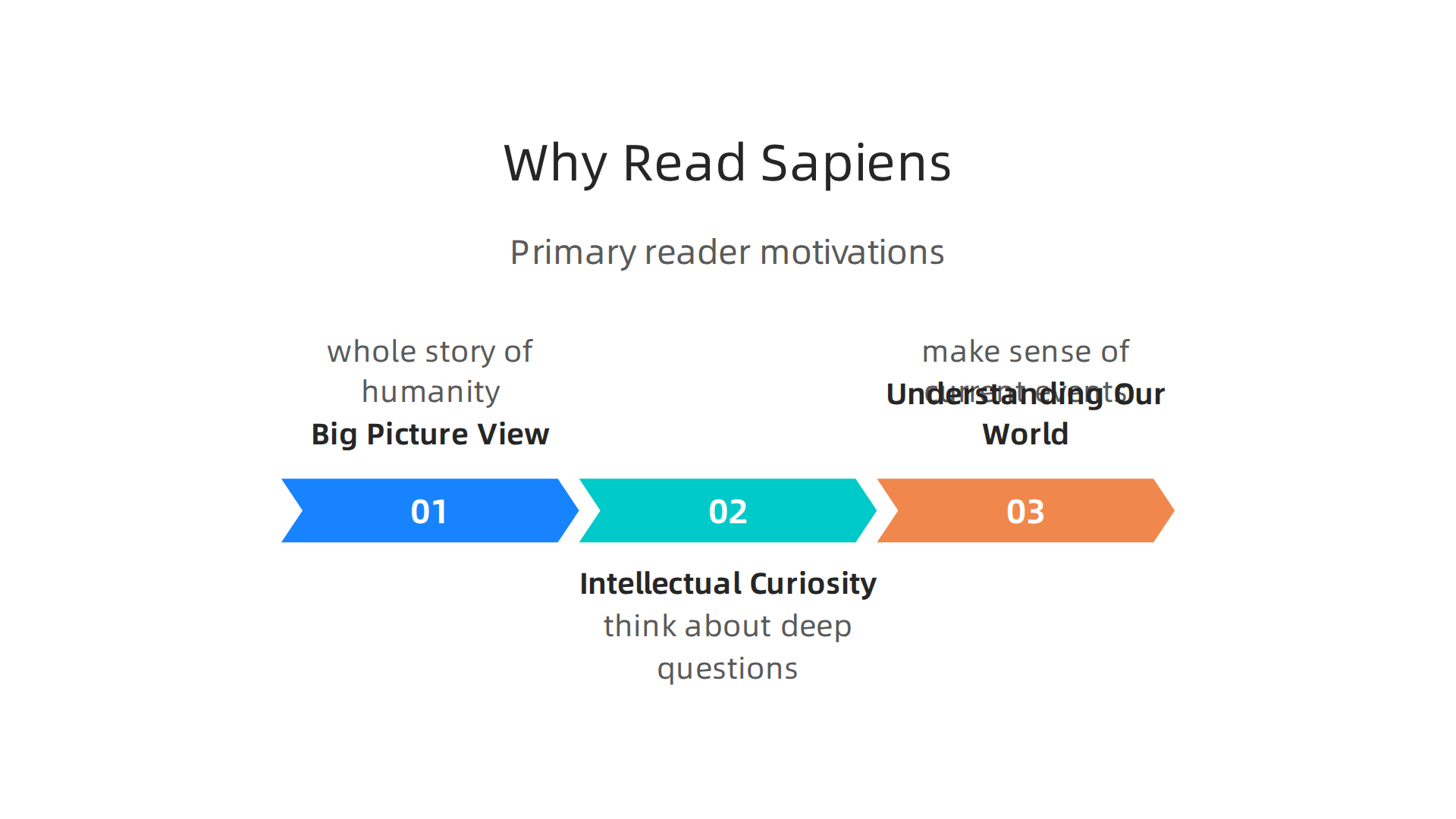
- A Big Picture View: People want to understand the whole story of humanity in one place. This book offers a wide lens, connecting small events to very large changes over thousands of years. It helps readers see patterns in history they might not have noticed before.
- Intellectual Curiosity: If you love to think about deep questions like "Why are we here?" or "How did society become what it is?", then the Sapiens book will grab your attention. It challenges common ideas and makes you look at the world differently.
- Understanding Our World: In 2026, many of us want to make sense of current events. Sapiens gives a strong background on how our beliefs, systems, and even our struggles came to be. It helps you connect the past to the present in a meaningful way.
Because it touches on so many big subjects, Sapiens often shows up on lists of must-read non-fiction. It’s for anyone who enjoys exploring complex topics and expanding their understanding, similar to how fantasy readers seek to discover the best fantasy books to read in 2026 across every subgenre. This book isn’t just about learning facts; it’s about changing how you see the world around you.
How Sapiens differs from typical fantasy reads (so you can avoid analysis paralysis)
However, if your bookshelf is full of magic and made-up worlds, you might wonder how a book like Sapiens is different. Knowing this helps you get ready for the read and avoid feeling stuck before you even start. The sapiens book is nonfiction, which means it tells you about real facts and events. Fantasy books, on the other hand, tell made-up stories.
Think of it this way: fantasy books often help you feel more for others and understand people better through their made-up characters and situations The Benefits of Reading Non-Fiction. But a nonfiction book like Sapiens gives you direct learning and new facts about our real world Why I prefer non-fiction books. Both types of books are great, but they offer different gifts.
When you open a fantasy book, you usually jump into a story with a hero, a big problem, and maybe some dragons. The story moves along with the characters’ adventures. But with the sapiens book, you are reading about the grand story of humanity itself. It’s more about understanding big ideas and how things changed over very long periods of time, not about one person’s adventure. It asks for a steady focus to grasp its large ideas.
So, how can you tell a nonfiction book from a novel right away? Here are some simple clues:
- The Way It Sounds: The sapiens book has a serious, thoughtful tone. It aims to teach you things and make you think. Fantasy books, instead, might feel exciting, mysterious, or even funny, often drawing you into a character’s feelings.
- How Chapters Are Built: In Sapiens, each chapter often talks about a big idea or a long period in history, like how farming changed how we live. In a fantasy novel, chapters move the story forward for the characters, building excitement for what happens next.
- What It’s About: Sapiens explores real history, science, and how people and societies work. Fantasy books tell tales of magic, invented worlds, and imaginary creatures.
For readers who often explore best fantasy book series worth your time in 2026, the sapiens book offers a different kind of reward: a deeper understanding of our past and what might come next for all of us.
When to choose Sapiens: reader intent and commitment levels
Getting a deeper understanding of humanity sounds wonderful, doesn’t it? But before you pick up the sapiens book, it’s really helpful to think about what you want from your reading time. Knowing this helps you choose the right book for your mood and goals.
Are you looking for a quick look at some big ideas, or are you ready to truly dig deep into history and science?

The sapiens book is not a quick read. It’s a journey that asks for your time and focus because it covers thousands of years of human history and some very big, complex thoughts. It’s like planning a long trip across a whole country, not just a short visit to the park. You’ll learn amazing things, but it requires commitment.
If your main goal is to learn a lot and think deeply about how humans got to where they are today, then the sapiens book is an excellent choice. Many readers find it changes how they see the world. However, if you’re looking to simply relax after a long day, or you want to get lost in an exciting story without too much heavy thinking, then a fantasy novel might be a better pick right now. Both types of books, fiction and nonfiction, offer different good things for your mind [Nonfiction vs Fiction (different psychological benefits) – YouTube]. One isn’t necessarily "smarter" than the other, but they bring different kinds of joy and learning [Literature Wars: Fiction Versus Non-Fiction].
Think about how much time you have. The sapiens book is quite long, often more than 400 pages. If you read about 20 pages in an hour, finishing it might take you around 20 to 25 hours. That’s like reading for an hour every day for three weeks. If you can set aside that kind of time and attention, you will get a lot out of this amazing book.
Knowing what to expect helps you avoid feeling stuck before you even open the first page. It’s all about matching the book to what you need and how much time you can give. If you’re ready for a big learning adventure, then dive into the sapiens book! If not, that’s perfectly fine. There are many other wonderful books waiting. For instance, if you’d prefer exciting tales and rich worlds, you can explore the best fantasy books to read in 2026 across every subgenre on Good Fantasy Books. Choosing wisely means a happier reading experience for you.
Choosing the right book means thinking about what you want to read. This is especially true when you look at books that might be a little different from what you usually pick up, like going from fantasy novels to something more about facts or feelings. Here’s how you can look at books like the come as you are book or those from Eli Books to see if they are a good fit for you.
To decide if a book outside your usual genre is worth your time, think about these three simple points:
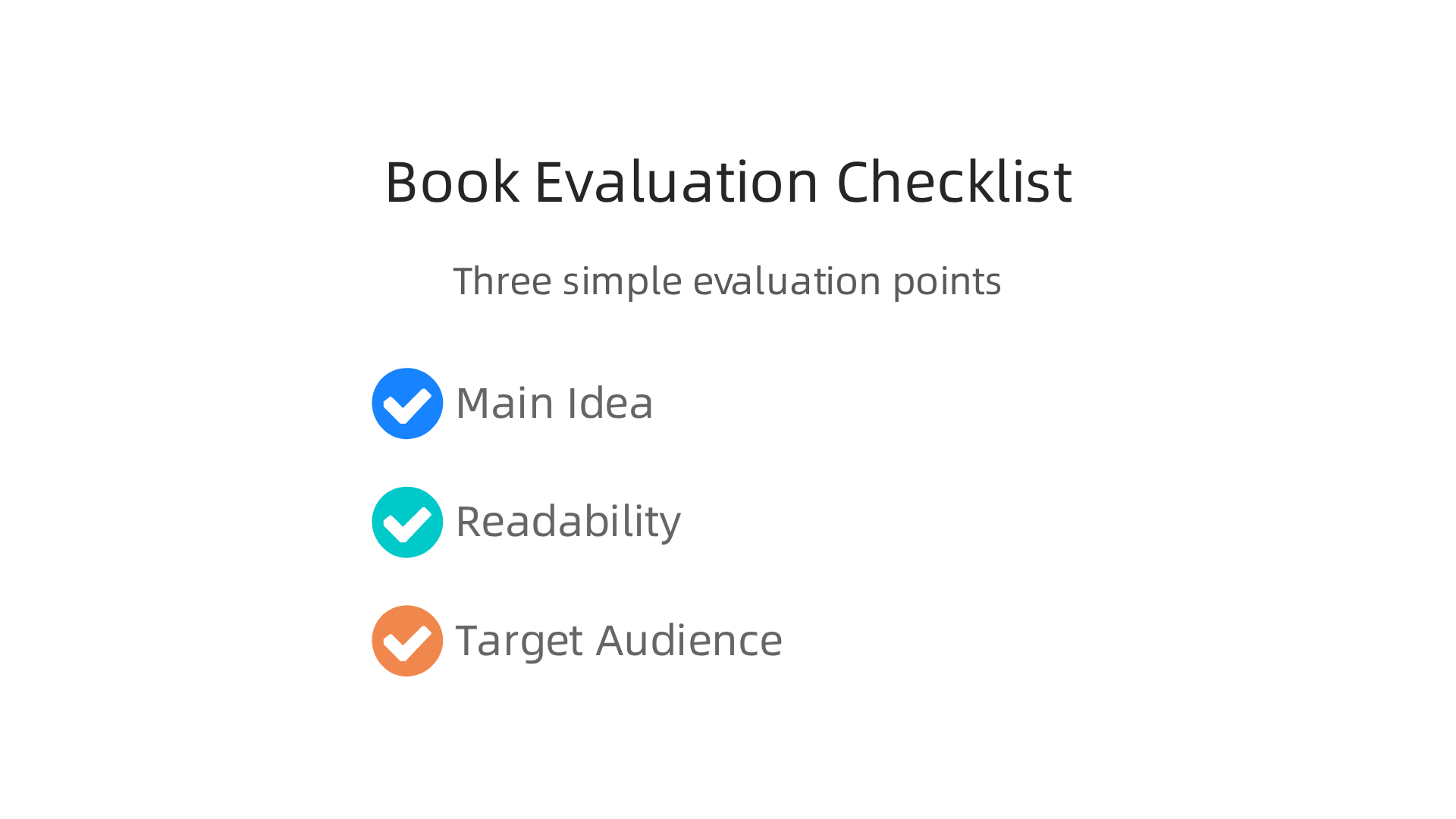
- What’s the book’s main idea or purpose? Does it want to teach you something new, tell a true story, or help you understand yourself better? For example, some books aim to improve your understanding of the world, like those that promote Framework for Information Literacy for Higher Education. Knowing its goal helps you decide if it matches what you want to learn or feel.
- How easy is it to read? Is the writing simple and clear, or does it use big words and long sentences? You want a book that feels comfortable to read, not like a chore.
- Who is the book for? Is it for adults, young people, or even children? A book written for a different age group might not connect with you in the same way.
Let’s try this checklist with a couple of examples.
Evaluating Come As You Are
The come as you are book often talks about personal topics and feelings, perhaps related to well-being or self-discovery. When you think about its purpose, it usually aims to educate or inspire personal growth. For readability, you might find it uses clear, everyday language to make complex ideas easy to grasp. And for audience, it’s typically written for adults who are looking to understand themselves or their relationships better. If you’re interested in learning more about human experiences and personal understanding, this type of book could be a great choice, even if you usually read fantasy.
Looking at Eli Books
Now, Eli Books often refers to a range of educational books, possibly for different subjects or ages. Let’s imagine an Eli Books entry like "The Nightingale" (not to be confused with a novel, but an educational text within a series). Its purpose would be to teach specific facts or skills. The readability would depend on the target age; an Eli Books for younger children would have very simple words, while one for older students might be more advanced. The audience is very clear: it’s for students or learners in a particular age group studying a certain topic. This checklist helps you pick the right book from a series like Eli Books for yourself or someone you’re helping to learn.
Using this checklist helps you choose wisely, whether you’re sticking to your favorite fantasy stories or looking to try something completely new. If you’re curious about books that mix genres, you might enjoy exploring Cross Genre Books For Fantasy Readers Featuring Frieda McFadden for more ideas.
Want Fantasy Adjacent Fun? Meet a sci-fi comedy series full of strange beings and big perspective shifts. Want Fantasy Adjacent Fun?
Even with a simple checklist, sometimes you want to be extra sure before diving into a new book. You don’t want to waste your precious reading time, right? This is where a little extra "quality control" comes in handy.

It’s like checking a new toy before you play with it to make sure it’s really fun and not broken.
Practical quality-control: vetting recommendations so you don’t waste reading time
After you’ve done your first quick check, taking a deeper look at book recommendations can save you from picking a book you won’t enjoy. Think of it as a small detective job to make sure a book is truly a good match for you.
Here’s how to do a bit more digging:
- Look at the book’s edition and date. For books that teach facts, like the sapiens book, it’s good to see if it’s a newer edition. Sometimes, older books might have information that is not quite right anymore. For books about feelings or life, like the come as you are book, the date might not matter as much, but a newer edition could mean it’s been updated to be even better.
- Understand reader reviews. Don’t just look at the star rating. Read a few reviews, both good and bad, to see what people are saying. Do many people complain about the same thing, like typos or confusing parts? Or do they all love the same things you’re looking for? Websites often have tools to help you pick a good book by looking at how others rated it, which can be part of your process for vetting books.
- Check who wrote and published it. Is the author known for writing about these topics? Is the publisher a good one for this type of book? Sometimes, a well-known publisher means the book has gone through a careful check.
Also, watch out for these quick warning signs that a book might not be for you:
- The tone doesn’t match. If the book description makes it sound serious, but reviewers say it’s full of silly jokes, it might not be what you expect. Or maybe it’s too serious when you want something light.
- Misleading advertising. Be careful if the book promises to change your life overnight with little effort. If it sounds too good to be true, it often is.
- It’s super specific. If you’re looking for a general guide but the book focuses on a very tiny, specific part of a topic, it might be too much for what you need right now. For example, some Eli Books are meant for very specific school subjects, which might not be what you want for fun reading.
By taking these extra steps, you can feel more confident that you’re picking a great book that will keep you happy. Good Fantasy Books helps readers find their next great read, making sure it’s a good fit for their tastes, whether it’s an epic series or a new favorite author. You can even find recommendations for the best fantasy books to read in 2026 across every subgenre.
Looking for something truly different?
Try a Weird New Adventure: A funny sci-fi escape for fantasy readers who love strange worlds. Try a Weird New Adventure
After you’ve done your homework to pick a good book, the next step is to think about how you’ll read it. Many people find joy in reading different types of books. Mixing things up can keep reading fresh and fun.

It’s like having different kinds of food so you don’t get tired of the same meal every day. Building a mixed reading plan helps you enjoy both serious books and exciting stories.
Building a mixed reading plan: blending Sapiens-style nonfiction with fantasy favorites
You’ve learned how to choose great books. Now, let’s talk about how to read them all without feeling stuck. Reading only one type of book all the time can sometimes lead to what we call "reader’s slump" or decision fatigue. This just means you get tired of choosing what to read next, or even tired of reading at all. By mixing different kinds of books, you can avoid this and keep your reading exciting for a long time. Think about creating your own "2026 reading plans" to guide you through the year 2026 Reading Plans – YouTube.
Here are some easy ways to plan your reading:
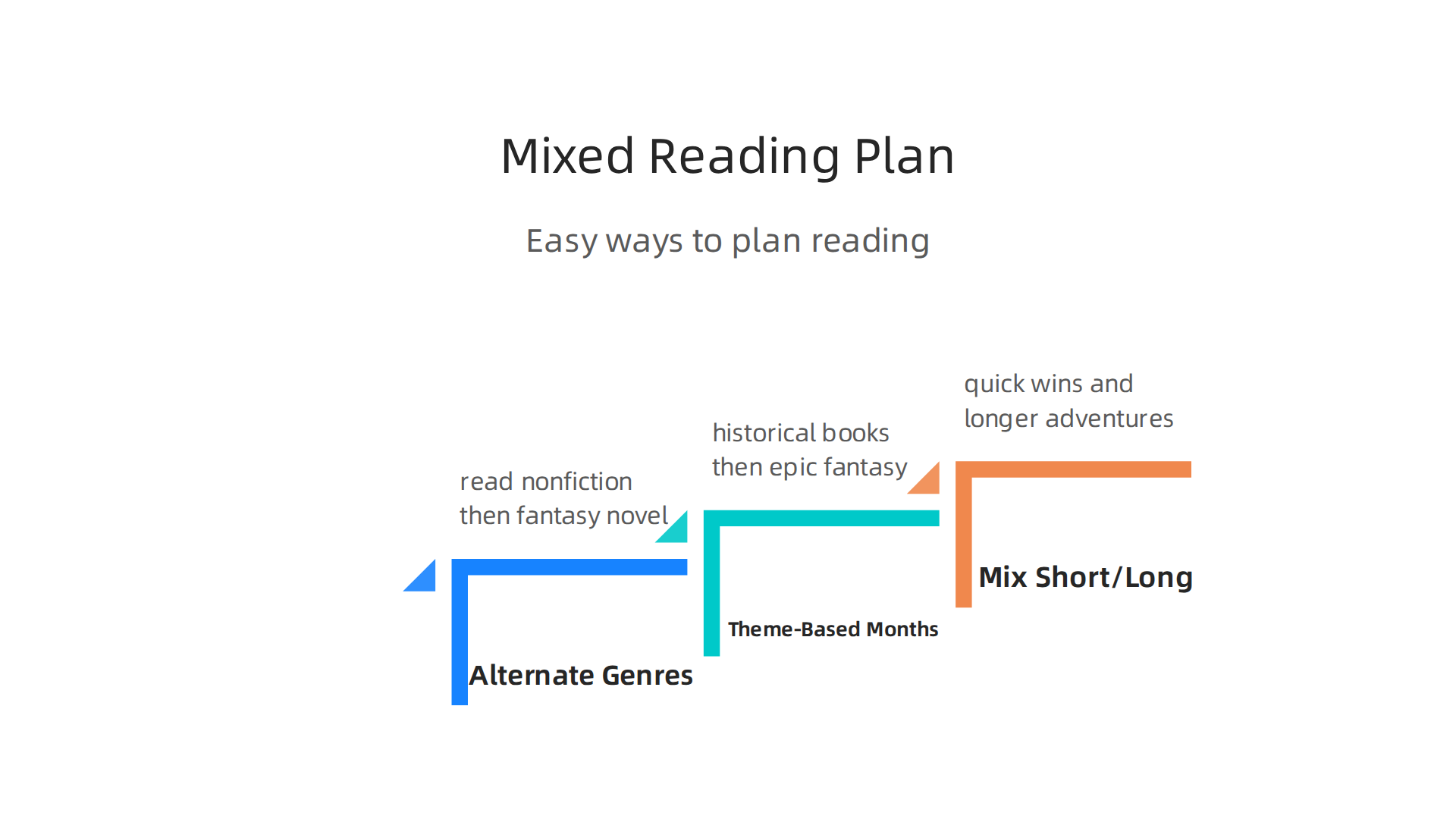
- Alternate between nonfiction and fantasy. You could read a thought-provoking book like the sapiens book first. Then, for your next read, pick a fun fantasy novel. This way, your mind gets a workout and then a break with a thrilling adventure. Or maybe you read a book about feelings, like the come as you are book, and follow it with an imaginative story.
- Try theme-based months. One month, you could focus on historical books. The next month, dive deep into epic fantasy worlds. This keeps your reading journey interesting and helps you learn about many different things throughout the year. For example, some might enjoy exploring cross-genre books for fantasy readers to keep things varied.
- Mix short and long reads. Sometimes you want a quick win. Pick up a shorter book, maybe something like the nightingale book if you enjoy historical fiction, or a concise guide from a series like the Eli Books. Other times, you’ll have more time for a big, detailed fantasy series. Switching between quick reads and longer adventures means you always have something that fits your schedule and mood.
By using these approaches, you make sure your reading life stays lively and full of good surprises. You won’t get bored, and you’ll discover new favorites in many different genres.
Looking to add some laughter to your reading list?
Add Comedy to Your TBR and start reading "The Ridiculous" for absurd worlds, witty chaos, and heart.
Summary
This article helps readers choose between nonfiction titles like Sapiens and personal books such as Come As You Are, plus educational series often labeled as Eli Books, by offering clear comparisons and practical decision tools. It explains what Sapiens covers—the broad sweep of human history and big ideas—how that differs from imaginative fantasy, and why matching reader intent, time, and tone matters before you start. You’ll find a simple checklist to evaluate a book’s purpose, readability, and target audience, plus deeper vetting steps like checking editions, reviews, and publishers to avoid wasted reading time. The guide also offers signs a book might not suit you and shows how to build a mixed reading plan that balances heavy nonfiction with lighter fantasy to prevent decision fatigue. After reading, you’ll be able to decide fast whether a book fits your goals, choose where to find it, and create a sustainable 2026 reading plan that keeps reading enjoyable.