Introduction: The Power of Thematic Depth in Fantasy
Have you ever finished a fantasy novel with a great plot but felt like something was missing? You raced through the battles and magic, but the book left you with nothing to think about. Many fantasy readers crave more than just action. They want stories with layered themes that stick with them long after the final page.

That deep, unsettling pull is what the phrase something wicked this way comes book captures so perfectly.
That line comes from Shakespeare’s Macbeth. In fantasy, it has become a touchstone for dark, layered storytelling. Books that carry that spirit do more than entertain. They challenge your view of the world. They make you question power, identity, and fate. Think about how works by George Orwell or James Baldwin stay with you. Their books are not fantasy, but they show how thematic depth creates lasting impact. Even a long short story review of a fantasy novella can reveal the same kind of layered meaning.
In 2026, readers are actively searching for books with real substance. According to a recent reader survey, people want stories that connect to their lives, not just escape for a few hours. Many are even setting reading goals around themes this year, using challenges to push beyond surface-level plots.
This article gives you a simple framework for finding and evaluating fantasy novels with true thematic depth. You will learn what to look for, saving time and enriching your reading life. To get started, check out our guide to the best fantasy books to read in 2026 across every subgenre. It is a great place to begin your search for meaningful reads.
But what if you need a break from dark themes? Sometimes you just want to laugh. If that sounds good, you can add some comedy to your TBR. Start The Ridiculous for absurd worlds, witty chaos, and heart. It is the perfect palate cleanser after a heavy fantasy journey.
The Origins of "Something Wicked This Way Comes" – From Macbeth to Modern Fantasy
That phrase we talked about in the introduction comes from a play written over 400 years ago. In Shakespeare’s Macbeth, the witches say it right before the main character arrives. It means trouble is coming. It means evil is not a distant idea. It is at the door.
Shakespeare used this line to create a sense of doom. He knew that the best stories make you feel uneasy because they show real choices. That is the heart of any something wicked this way comes book. It is not just about monsters. It is about the struggle inside people.
Ray Bradbury took that idea and wrote a classic. His novel combines fantasy and horror to explore the conflicting natures of good and evil that exist within all individuals. The book is about two 13-year-old boys who encounter sinister elements when a freakish traveling carnival visits their small town. The carnival offers people their deepest desires. But there is always a price. According to the book, regret and disappointment are the paths to understanding ourselves.
When I read Bradbury’s book for the first time, I felt that chill. It is the same chill I get when I read george orwell books or james baldwin books. They all ask the same hard question. What happens when ordinary people face extraordinary darkness?

The something wicked this way comes book spirit lives in that question.
In 2026, many fantasy authors go back to this well. They are not copying Shakespeare. They are using his blueprint for building tension. They ask you to sit with the discomfort. A long short story review today might praise a writer for capturing that same ominous tone. It is a callback to that moment in Macbeth. It is a reminder that the scariest things are not always supernatural. Sometimes they are just human.
Understanding where this phrase comes from helps you see the layers in modern stories. You start to notice when an author is doing more than just moving a plot along. They are building a world where every shadow means something.
If you want to find modern novels that use this kind of layered tension, you can explore our guide to the best fantasy books to read in 2026 across every subgenre. These are the stories that understand the power of a coming storm.
What Makes a Fantasy Novel Thematically Rich?
So if "something wicked this way comes book" teaches us anything, it is that a great story is about more than just a plot. It asks big questions. It forces you to look at yourself. That is what thematic depth really means.
A thematically rich fantasy novel does not just entertain you. It makes you think. It deals with moral questions. It explores universal human experiences like fear, hope, regret, and growth. According to a detailed look at dark fantasy literature, the best books in this genre tackle topics like power, identity, and morality. They do not hand you easy answers. They let you sit with the discomfort.
Think about some of the most famous examples. George Orwell books like 1984 are not just stories about a totalitarian state. They are warnings about surveillance and control. James Baldwin books like Go Tell It on the Mountain use a family story to talk about race, faith, and identity. Those writers knew that the deepest stories work on many levels at once.
For fantasy novels, thematic depth shows up in a few clear ways.
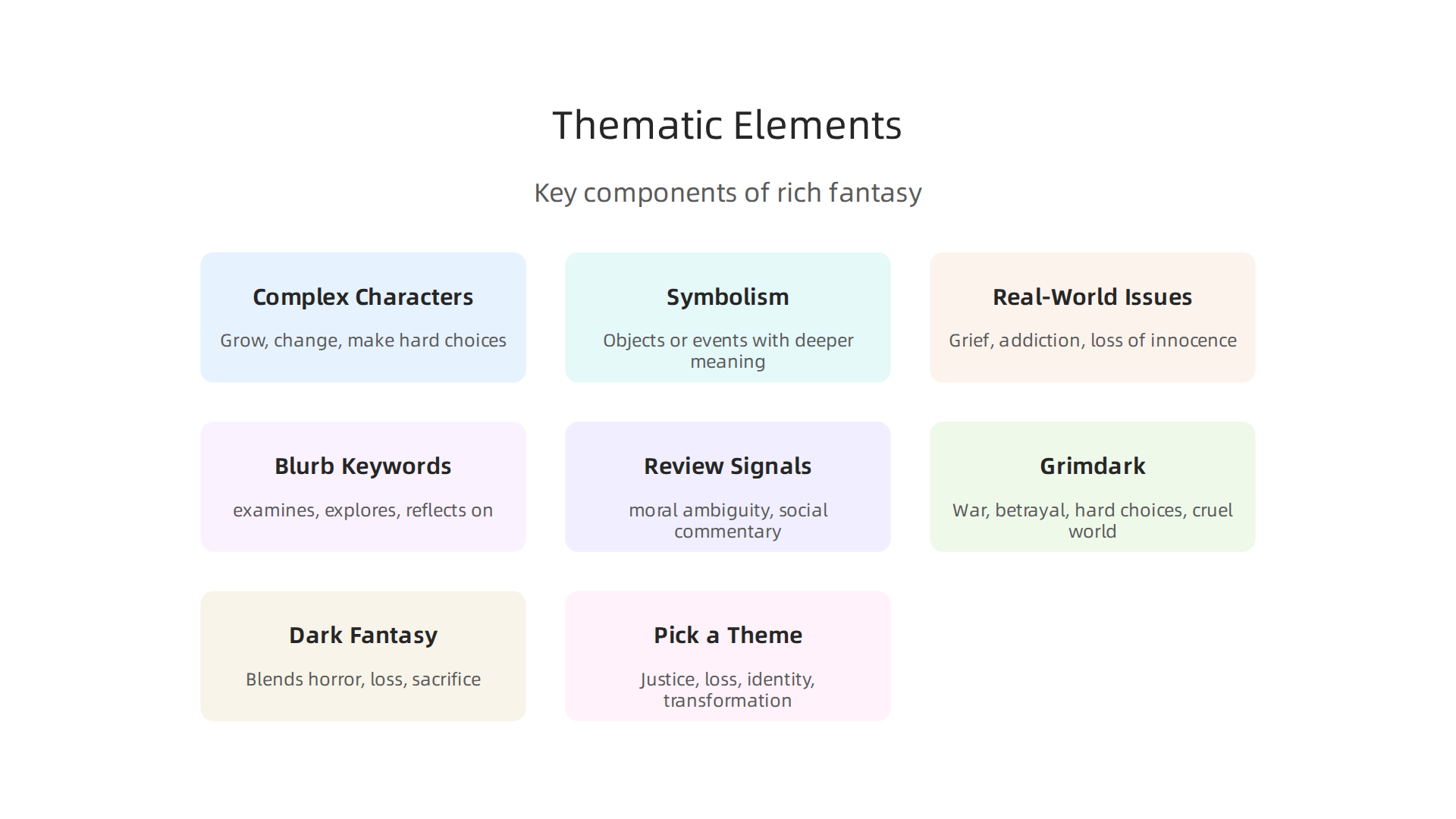
First, you get complex characters who grow and change. They make hard choices. Their struggles feel real. Second, you see symbolism. A carnival in Bradbury’s book is not just a carnival. It stands for temptation and the dark side of desire. Third, the story resonates with real-world issues. It might talk about grief, addiction, or the loss of innocence.
A recent academic paper on trauma and fantasy argues that deep character psychology is what demands ethical engagement from readers. That means you care about what happens. You feel the weight of each decision. That is what separates a forgettable adventure from a book you carry with you for years.
Not every dark fantasy novel reaches that level. Some just use dark settings and violent scenes without any deeper point. Real thematic richness requires subtlety. It requires the author to trust you to find the meaning. A long short story review often praises writers who manage this balance. They pack a big idea into a small space without beating you over the head.
If you want to find books that do this well, look for stories about ordinary people facing extraordinary darkness. Look for characters who question themselves. Look for symbols that keep appearing. That is the tradition that started with Shakespeare and continues in the best modern fantasy.
For a list of series that combine exciting plots with real depth, check out our guide to the best fantasy book series worth your time in 2026. You will find stories that treat you like a thinking reader.
Want Fantasy Adjacent Fun? Meet a sci-fi comedy series full of strange beings and big perspective shifts.
It is a lighter take that still asks you to look at the world differently.
How to Identify Thematic Depth in a Book Blurb and Reviews
So now that you know what makes a book like something wicked this way comes book so powerful, how do you spot that kind of depth before you even read the first page? The answer is in two places: the blurb and the reviews.
Blurbs are the first clue. Publishers love to signal that a book has something deeper going on. Look for words like "examines," "explores," or "reflects on." These are not just filler words. They tell you the author is asking real questions. For example, a blurb that says "this novel examines the cost of power" is hinting at a thematically rich story. A blurb that says "a young hero fights an evil sorcerer" might be a fun ride, but it is probably not digging deep.
When you see a blurb that talks about moral choices, identity, or social issues, that is a strong sign. The best George Orwell books and James Baldwin books did exactly this. Their blurbs did not just describe the plot. They invited you into a conversation about something important.
Reviews are even more revealing. Trusted review sources often focus on thematic elements. According to a detailed analysis of dark fantasy literature, the best books in this genre deal with power, identity, and morality. So when you read a review, look for words like "moral ambiguity," "social commentary," or "symbolic layers." Those are signals that the reviewer found real depth. The academic work on trauma and fantasy also shows that deep character psychology is what makes a story demand your full attention. If a review talks about how a character’s choices feel ethically heavy, that is a good sign.
Here is the trap to avoid. Some reviews are just spoiler-filled recaps. They tell you what happens but not why it matters. A review that says "and then the hero defeats the villain in a shocking twist" tells you nothing about theme. Skip those. You want reviewers who ask "what does this story mean?" and "how does it make you feel?"
A long short story review is often the perfect place to find this kind of analysis. Because the form is short, the reviewer has to be efficient. They cut the fluff and go straight to what the story is really about.
If you want to practice this skill, pick up a book from our list of the best fantasy books to read in 2026 across every subgenre. Read the blurb first. See if you spot the keywords. Then check a few reviews. You will start noticing the difference between a shallow story and a meaningful one in no time.
Try a Weird New Adventure A funny sci-fi escape for fantasy readers who love strange worlds.
Thematic Subgenres: Where to Find ‘Wicked’ Themes (Grimdark, Dark Fantasy, and More)
You have learned how to spot thematic depth in blurbs and reviews. Now the real fun begins. Where do you actually find books that wrestle with power, identity, and moral gray areas? The answer is in specific fantasy subgenres.
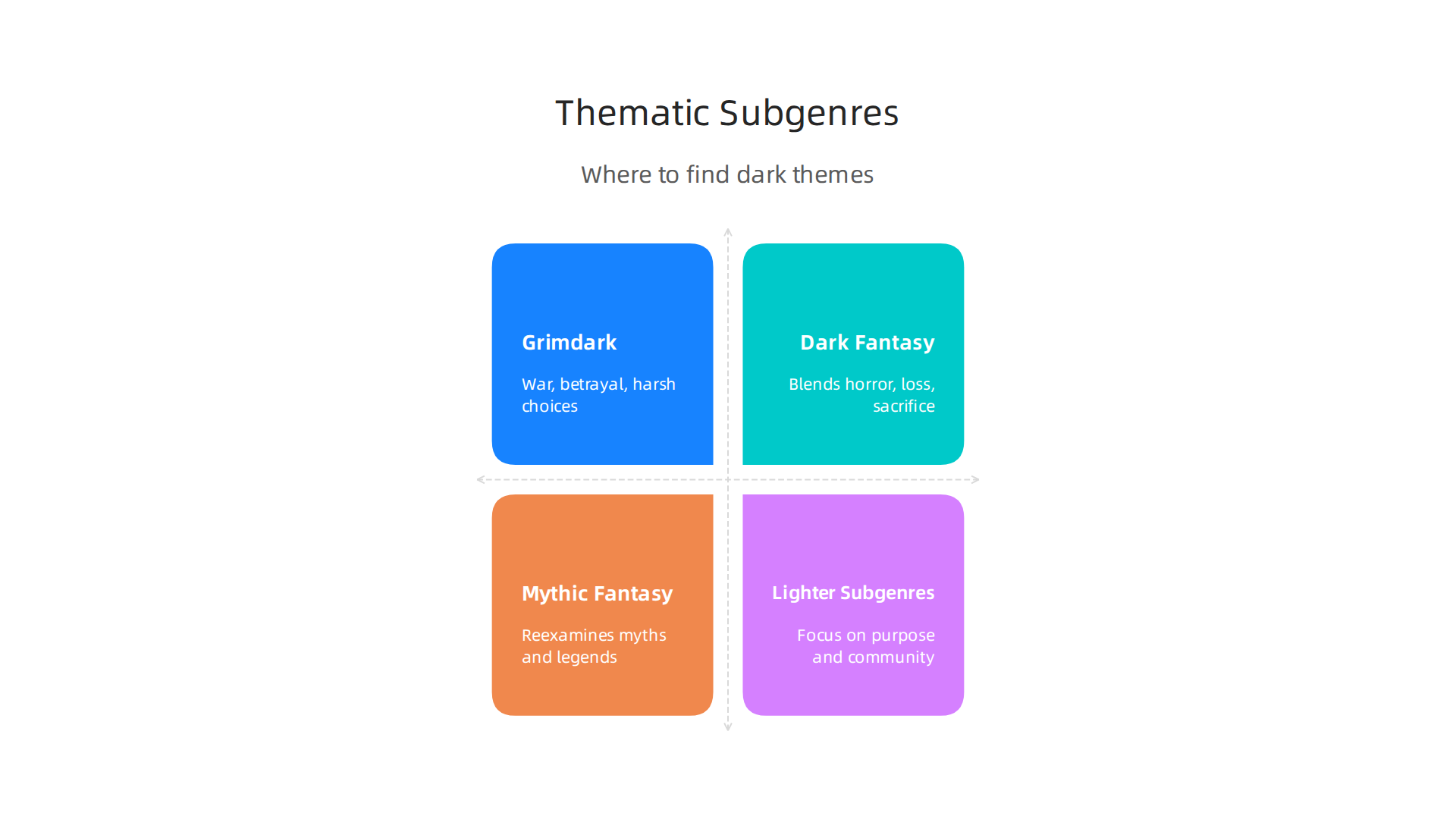
Grimdark is the most obvious place to start. It is a subgenre that does not shy away from the ugly side of life. Think war, betrayal, and hard choices with no right answer. Authors like Joe Abercrombie and Mark Lawrence built their names here. The world often feels cruel, and characters are messy. That is the point. Grimdark forces you to ask: What does it really cost to survive? If you want a story that feels heavy in the way something wicked this way comes book feels heavy, grimdark is your lane.
Dark fantasy is close but not identical. It blends horror elements with fantasy, so the darkness often comes from supernatural threats rather than human cruelty alone. But it still deals with deep themes like loss, sacrifice, and the fragility of hope. Many award-winning fantasy novels in recent years lean into this space. For example, the 2025 award winners recognized by Five Books include titles that mix dark fantasy with strong thematic cores. And the 2026 World Fantasy Award submissions show that judges love stories that explore difficult ideas.
Mythic fantasy is a wild card. It pulls from old myths and legends, but instead of just retelling them, it reexamines them. Think about what The Song of Achilles did for the Iliad. It turned a war epic into a conversation about love, fate, and pride. Mythic fantasy often sneaks in the most powerful themes because the old stories already carry weight.
But here is the twist. You can find deep themes in lighter subgenres too. Cozy fantasy might seem like pure comfort, but a book like Legends & Lattes asks serious questions about purpose and community. Heroic fantasy often explores what it means to be good in a broken world. The trick is to look past the label.
If you want to explore these subgenres for yourself, check out our guide to the best fantasy books to read in 2026 across every subgenre.

It breaks down top picks for grimdark, dark fantasy, mythic fantasy, and more.
And if you are in the mood for something that blends weird worlds with humor and heart, try a weird new adventure. A funny sci-fi escape that still asks meaningful questions.
Case Studies: Three Books That Master Thematic Depth
Now that you know which subgenres carry deep themes, let us look at three specific books that do it perfectly. Each one uses its story to ask big questions about life, identity, and right versus wrong.
Book A: The Name of the Wind by Patrick Rothfuss
This book follows a young man named Kvothe as he tells his own life story. It explores fate and free will. Does Kvothe choose his path, or is he pulled along by destiny? The story also examines the cost of knowledge. Kvothe seeks out powerful secrets, and every discovery comes with a price. The book asks: How far would you go to learn the truth? If you like deep character work, this one is for you. For help keeping track of long fantasy series like this one, check out our guide on reading order for fantasy series.
Book B: Something Wicked This Way Comes by Ray Bradbury
This is the book that gave our keyword its name. It tells the story of two 13-year-old boys who meet a strange carnival that rolls into their small town one October night. According to the Wikipedia entry for the novel, the book analyzes the conflicting natures of good and evil inside every person.
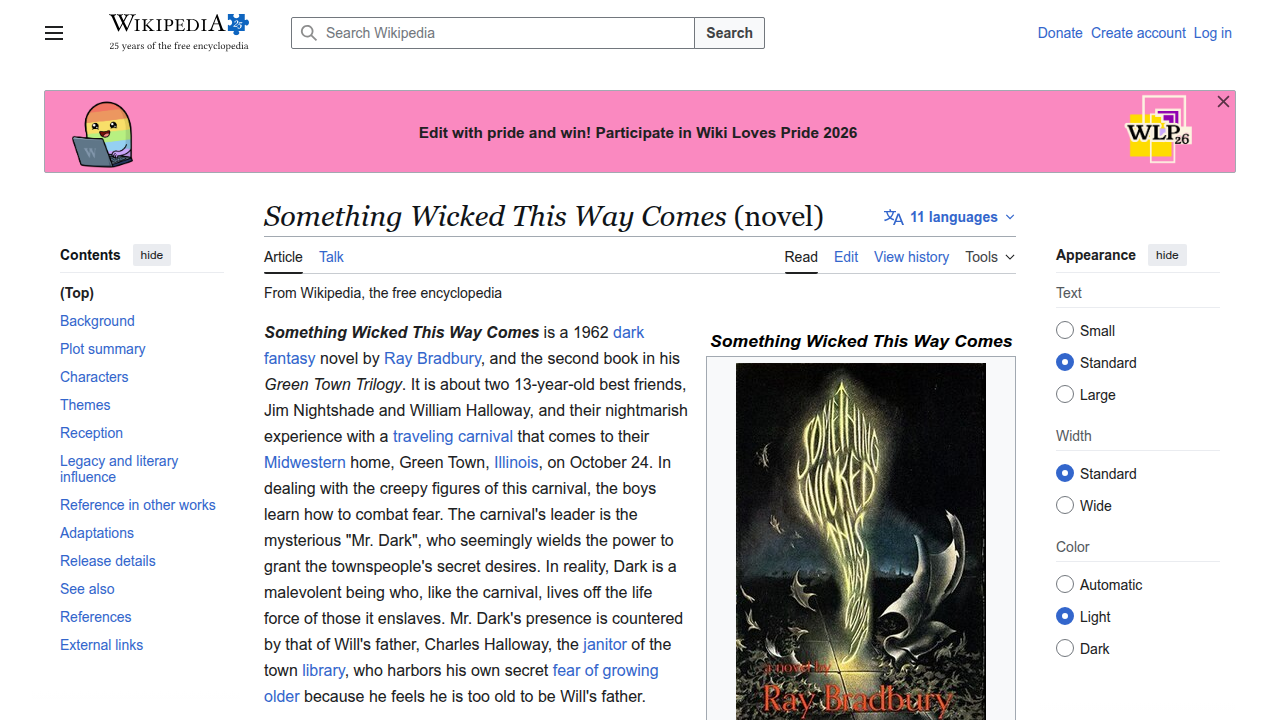
The carnival itself is a dark metaphor. It tempts people with what they want most but always takes something in return. Bradbury uses this carnival to examine innocence and evil. What does wickedness really mean? Is it a monster outside, or the darkness inside us? The Ploughshares blog puts it this way: the book suggests that regret, loss, and even our mistakes are the paths to compassion. That makes the something wicked this way comes book a masterclass in thematic storytelling.
Book C: The Fifth Season by N.K. Jemisin
This award-winning novel takes place on a world that suffers constant apocalypses. It weaves together themes of empire, identity, and rebellion. The main character is an orogene, a person with the power to control seismic energy. People fear and hate her kind. The story shows how empires use fear to control people and how individuals fight back to reclaim their identity. It won the Hugo Award and is a standout example of fantasy that tackles real world issues. If you want to see how deep themes can drive a plot, start here.
Time to Pick Your Next Read
These three books each handle thematic depth in a different way. One explores knowledge and fate, one uses a carnival to examine good and evil, and one takes on empire and rebellion. If you are in the mood for something lighter but still meaningful, try a weird new adventure that blends absurd humor with curiosity and heart. It proves that even funny stories can ask big questions.
Curating Your TBR: Building a Thematic Reading List
Now that you have seen how deep themes can turn a good story into a powerful one, it is time to build your own reading list. Instead of grabbing random books, you can choose titles that explore ideas you care about.
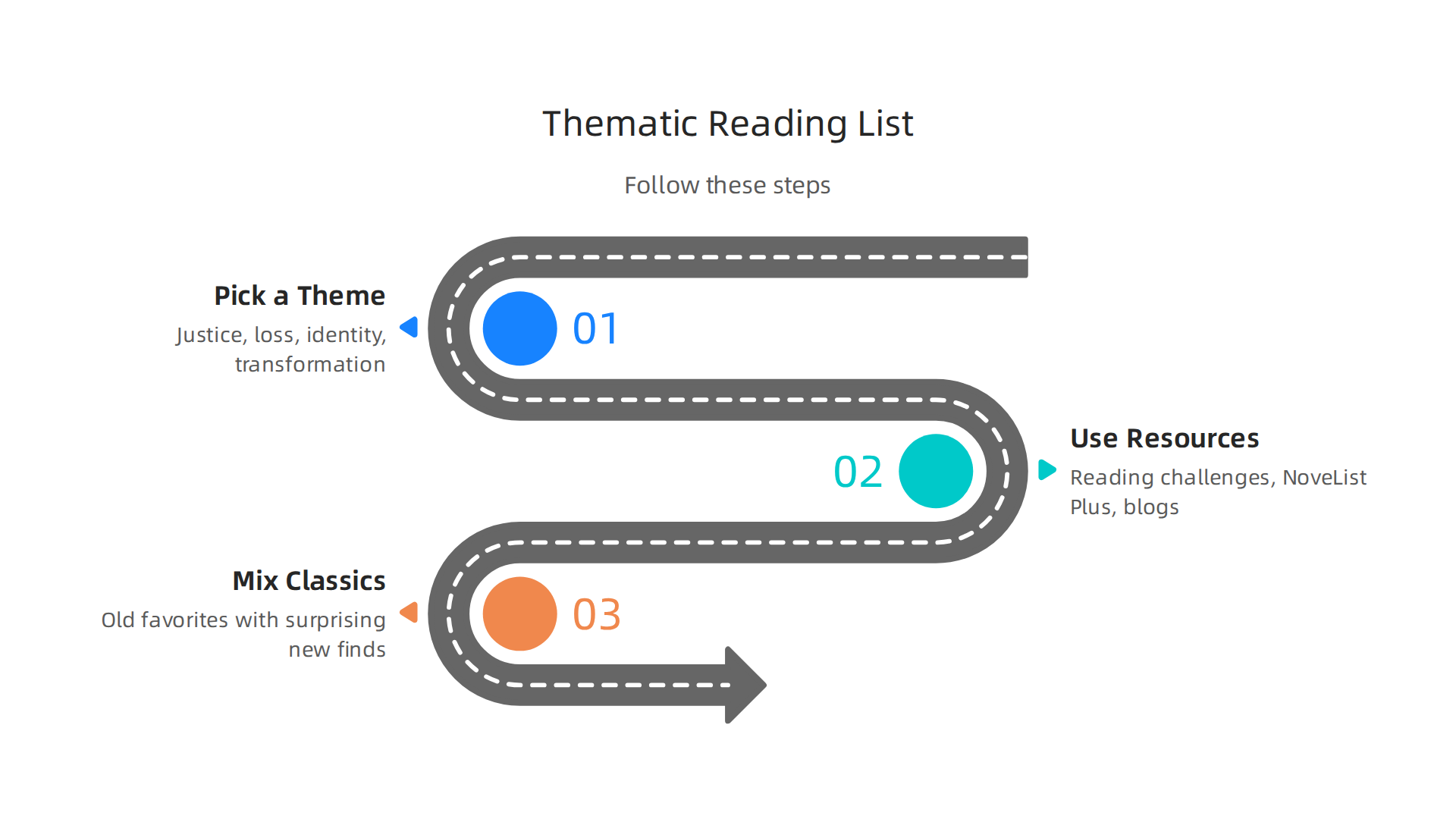
That makes reading more meaningful and way more fun.
Start With a Theme That Matters to You
What questions keep you up at night? Is it justice, loss, identity, or transformation? Pick one theme and let it guide your choices. For example, if you love how the battle between good and evil unfolds in the something wicked this way comes book, you can build a list around that theme. Look for books that wrestle with right and wrong, innocence and corruption. Every time you finish one, you will understand the theme a little better.
Use Resources That Do the Heavy Lifting
You do not have to find these books alone. There are great tools out there in 2026. Try joining one of the many 2026 Reading Challenges that push you to read across themes and genres. Services like NoveList Plus help match books to your specific interests. You can also browse award lists and check out blogs like the best fantasy book review blogs of 2026 for targeted recommendations.
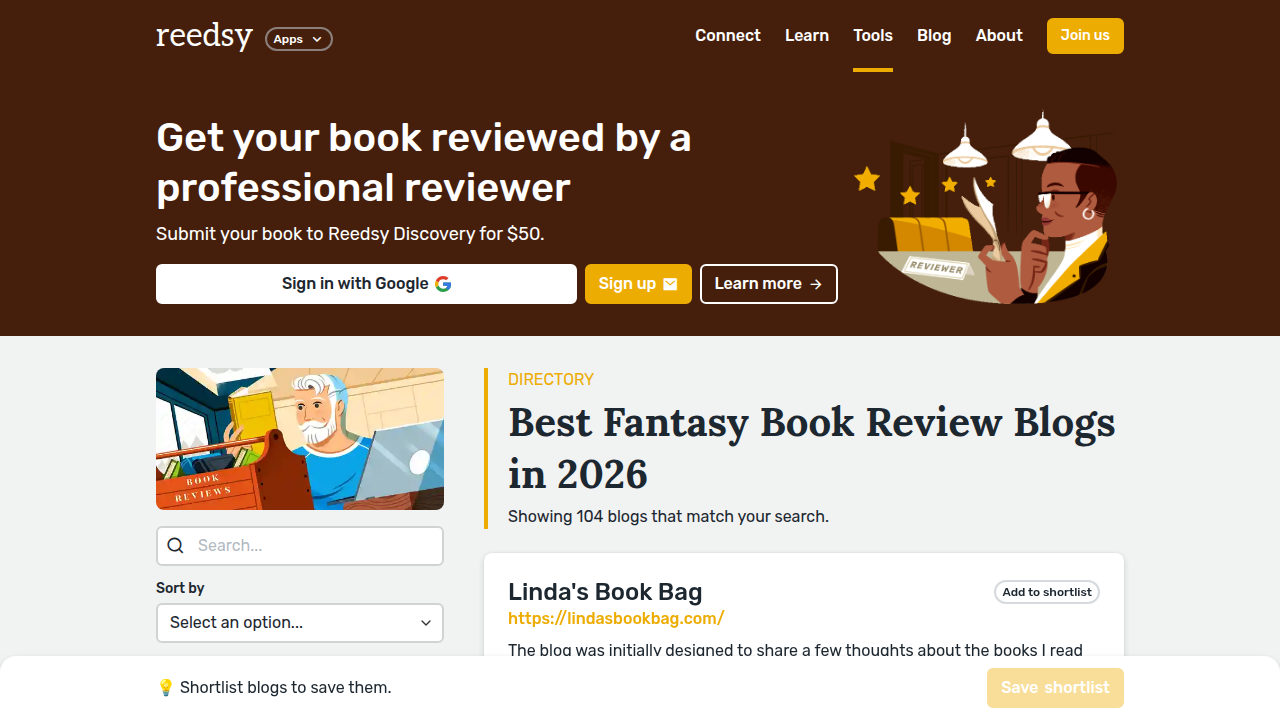
And do not forget, you can explore curated lists right here, like our guide to the best fantasy books to read in 2026 across every subgenre.
Mix Classics With New Releases
Classics exist for a reason. Books like 1984 or Between the World and Me (George Orwell books and James Baldwin books) tackle themes that never get old. But new releases bring fresh angles and contemporary voices. A long short story review can also be a goldmine for finding compact, thematic gems. By mixing old and new, you see how a single theme evolves over time. That is where the real magic happens.
Ready to Build Your List?
Start with one theme, use the resources above, and blend old favorites with surprising new finds. If you want a lighter but still thoughtful read, try a weird new adventure that mixes humor with big ideas. It proves that even funny stories can ask the questions that matter.
Summary
This article explains why thematic depth—stories that probe power, identity, regret, and moral ambiguity—turns a fun fantasy read into a lasting experience. It traces the phrase "something wicked this way comes" from Shakespeare through Ray Bradbury to contemporary fantasy, then defines what makes a novel thematically rich: complex characters, recurring symbolism, and resonance with real-world issues. You’ll learn practical ways to spot depth before you read—what blurbs and reviews reveal and which keywords to watch for—plus the subgenres most likely to deliver weighty themes, like grimdark, dark fantasy, and mythic fantasy. The piece profiles three exemplary books that illustrate different approaches to thematic storytelling, and it gives a clear method for curating a TBR focused on ideas you care about, using tools, award lists, and reading platforms to find strong picks.