
Introduction
Do you ever feel like you are drowning in fantasy books? You open your favorite book app or walk into a bookstore, and there they are. Hundreds of new titles.

Thousands of five-star reviews. Endless series with beautiful covers and blurbs that sound exactly the same.
You are not imagining this. The problem is real, and it is getting bigger every year.
In 2026, fantasy readers face more choices than ever before. A recent survey of over 3,500 book lovers found that readers are voracious, with a third reading more than 100 books a year. But here is the catch: readers are also becoming more selective. They want quality. They want connection. They want books that stick with them long after the last page.
The trouble is finding those books.
Most recommendation tools just throw more options at you. More lists. More algorithms. More noise. That is not helpful. That is exhausting.
So what if there was a better way?
There is. And it does not involve sifting through hundreds of random suggestions.
Three often-overlooked pathways can transform how you discover fantasy books.
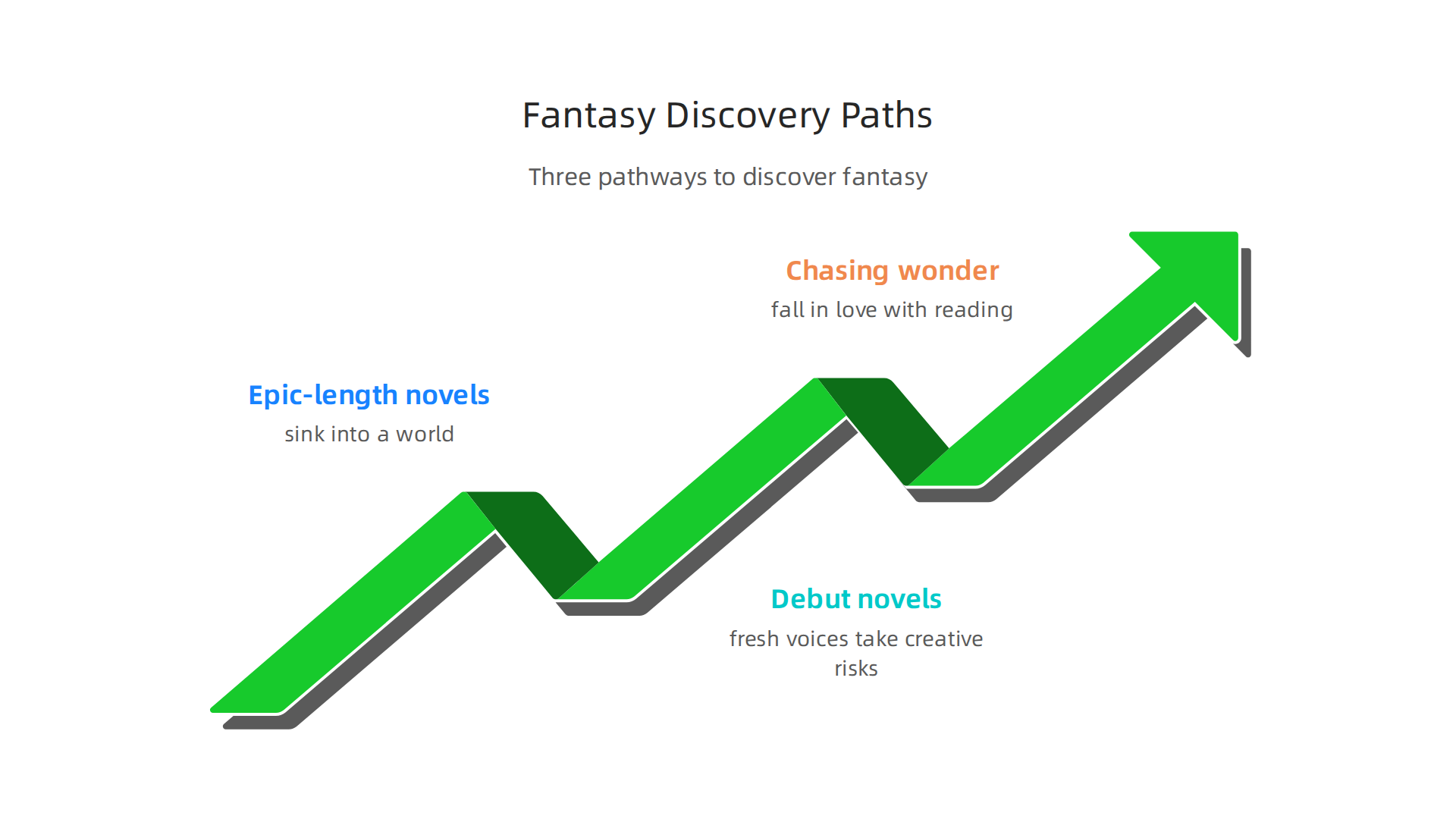
First, exploring epic-length novels that let you truly sink into a world. Second, seeking out debut novels where fresh voices take their biggest creative risks. And third, chasing the feeling of wonder that made you fall in love with reading in the first place.
Think of these pathways as your personal map through the crowded landscape of fantasy. Instead of wandering aimlessly, you can follow a clear route to books that match what you actually want.
This article gives you a research-backed framework to cut through the noise. No guesswork. No endless scrolling. Just a smarter way to find stories that resonate deeply and stay with you.
The fantasy genre holds some of the most imaginative, unforgettable tales ever written. You deserve to find the ones meant for you. Let us start with the first pathway: diving into the longest novels ever written and discovering why sometimes bigger really is better.
If you are ready to explore high-quality fantasy reads right now, you can explore the best fantasy books to read in 2026 across every subgenre for a curated head start. And when you find something that sparks your interest, go ahead and explore the books that call to you.
The Longest Novels in Fantasy: A Guide to Epic Commitment
You know that feeling when you pick up a book and it weighs almost as much as a small pet? Part of you gets excited. But another part worries. "Will I actually finish this?" It’s a fair question.
Here is the good news. Long fantasy novels often deliver something shorter books cannot. They give you room to breathe. Characters grow slowly over hundreds of pages. Worlds unfold layer by layer. You do not just visit a setting. You live there.
Think about series like The Wheel of Time. At over 4.3 million words across 15 books, it is one of the longest fantasy series ever written. Readers who commit to that journey report a deep sense of accomplishment. They know the characters like old friends.

They remember the twists and the heartbreaks. The same goes for The Malazan Book of the Fallen at over 3.2 million words and the Memory, Sorrow and Thorn trilogy, whose final book To Green Angel Tower is one of the longest fantasy novels published. According to a detailed breakdown of the longest fantasy books, that single novel sits at around 528,000 words. That is longer than the entire Lord of the Rings trilogy.
Why does length matter for your reading experience? Simple. When a book has room, the author can slow down. They can explore side stories that make the world feel real. They can give each character a full emotional arc. You do not get rushed from plot point to plot point. You get to savor the story.
Data from 2026 shows that fantasy readers are more selective than ever. But here is an interesting pattern. Readers who finish long series tend to rate their overall satisfaction higher. The commitment pays off. When you know a book will take time, you prepare for it. You settle in. You stop checking how many pages are left.
So how do you know if a long novel is right for you? Start by checking the word count. Most epic fantasy novels run between 120,000 and 200,000 words. Anything above 400,000 words is a serious commitment. That is not a bad thing. It just means you should check the blurb carefully. Read a sample if you can. Make sure the world and the characters grab you from the first few chapters.
If the idea of a huge book still feels overwhelming, you do not have to jump into a 500,000-word tome on day one. You can start smaller and build up. There are ways to approach big series without getting lost.
Start an epic fantasy series without overwhelm by focusing on the first book alone.

Treat it as a single story. If you love it, the next book will feel like a gift.
When you are ready to see what long novels are out there, take a look at some of the most rewarding epic fantasy series. The length is not a barrier. It is an invitation.

Why Debut Fantasy Novels Deserve Your Attention
We just talked about massive doorstoppers. And those are great. But here is a secret. Some of the best fantasy reading experiences come from much smaller places. They come from debut novels.
First books by new authors often feel different. They are not following a formula. They are not trying to sound like the big series you already know. Debut authors take risks. They experiment with fresh ideas and bring in perspectives that the genre has overlooked for too long. That is why so many of the most celebrated fantasy series started as someone’s first book.
Think about it. Harry Potter and the Philosopher’s Stone was a debut novel. The Hobbit was a debut novel. Even A Game of Thrones was George R.R. Martin’s first fantasy book, though he had written science fiction before. These books did not need huge word counts to leave a lasting impression. They needed heart, originality, and a world that felt alive from the very first page.
And here is something interesting. According to word count research on debut fantasy authors, the average debut fantasy novel runs around 108,000 words. That is shorter than the average epic fantasy. That means these books respect your time while still delivering a complete story. They are often tighter, more focused, and more willing to take creative chances. As a result, they can stick in your memory of the world long after you finish the last page.
When you pick up a debut novel, you are catching an author at their most hungry. They have been working on this story for years. They poured everything into it. That energy is contagious. It makes the book feel like a discovery, not just another release.
If you are someone who loves finding hidden gems, debut novels are your playground. They are the wonder book you did not know you needed. And because they are often the start of a series, you can get in on the ground floor before everyone else finds out.
Want to explore more voices and fresh perspectives? Check out this resource on how to find diverse fantasy books. It is a great way to discover debut authors writing from unique cultural and personal experiences.
How to find diverse fantasy books
The next time you feel overwhelmed by a 500,000-word epic, remember this. Some of the most unforgettable fantasy stories ever told started as debut novels. They did not need a thousand pages to earn their place. They just needed a writer brave enough to share something new.
If you want to stay in the loop on more hidden gems, new releases, and experimental fantasy reads, consider joining a community that celebrates discovery.
The Psychology of Wonder in Fantasy Reading
But why do debut novels and other fantasy stories leave such a lasting impression? The answer lies in the psychology of wonder.
Wonder is not just a feeling. It is a distinct emotional state that changes how your brain works. When you experience wonder, your memory gets stronger. Your stress levels drop. And you feel a strong urge to share what you just experienced with someone else.

Fantasy novels are built to trigger this state. They do it in three main ways.
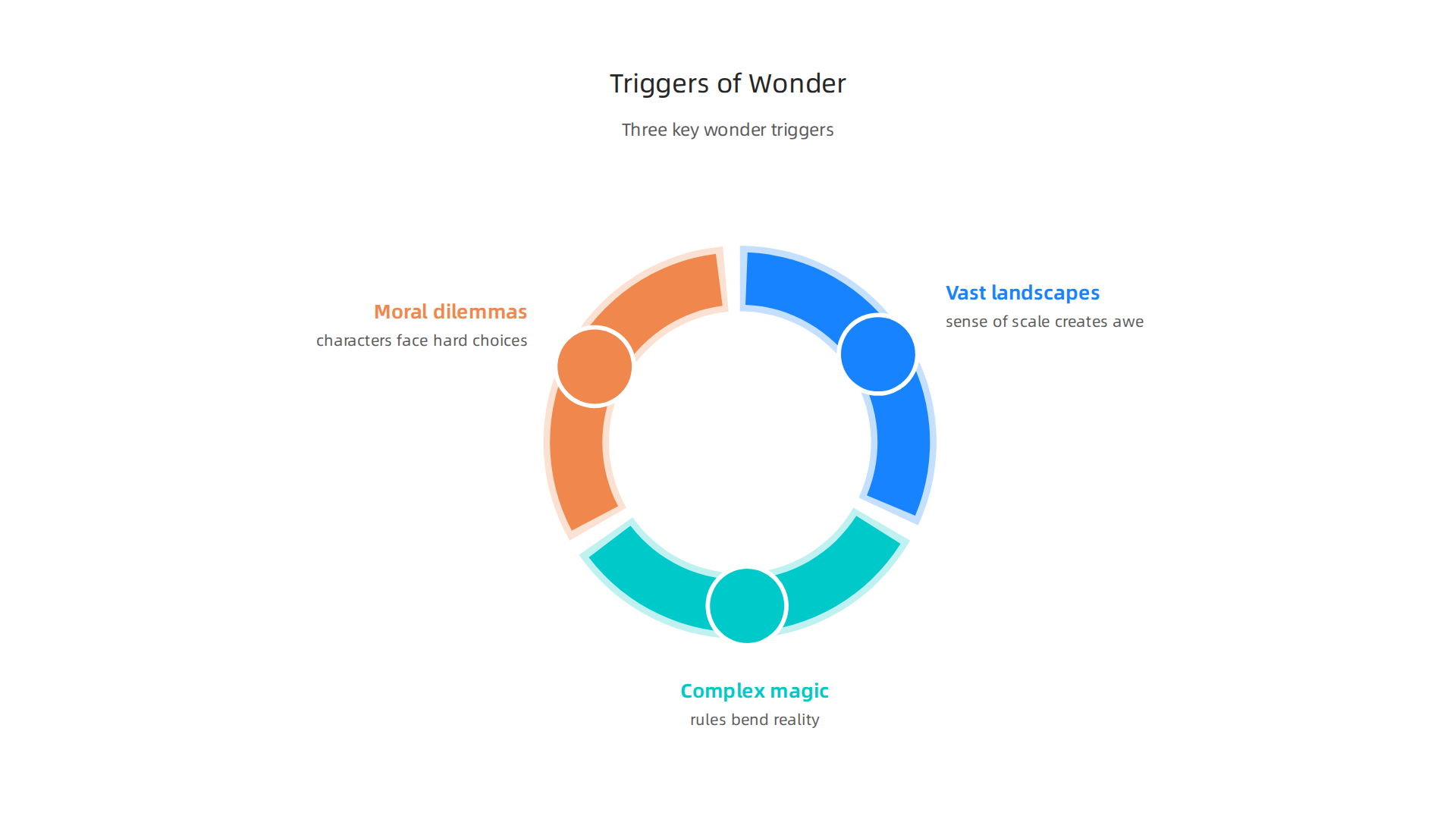
First, vast landscapes. When a book describes a sprawling forest, a mountain range that touches the clouds, or an ocean made of stars, your mind expands to imagine it. That sense of scale creates awe.
Second, complex magic systems. Rules that bend reality in clever ways make you stop and think. They challenge what you know is possible and open your mind to new ideas.
Third, moral dilemmas. When characters face hard choices with no right answer, you are forced to consider your own values. That deep engagement is a key part of what researchers call narrative transportation. It is the feeling of being swept into a story so completely that the real world fades away. According to the Wikipedia overview of transportation theory, this state of focused attention and emotional connection makes you remember the story better and even changes how you see things.
So understanding what triggers wonder can help you intentionally seek out books that deliver that experience. These are the books you call wonder books. They are not just entertaining. They leave a mark on your memory of the world.
If you want more of that feeling, look for fantasy stories that prioritize scale, originality, and tough questions. That is exactly what good fantasy book curation aims to do help you find the stories that will stick with you.
And if you are ready to put that wonder into action, consider trying something small. Pick up a book that promises to stretch your imagination and see where it takes you.
The next time you finish a fantasy novel that leaves you breathless, pay attention. That is wonder at work. And the more you know about how it works, the easier it becomes to find the books that spark it again and again.
Want to take it a step further? Join an experiment designed to help readers like you turn wonder into a habit.
The Role of Memory of the World in Fantasy Preservation
The wonder you feel when a fantasy novel sweeps you away does not have to fade. Some stories are so important that the world works to keep them alive for future generations. That is where the Memory of the World programme from UNESCO comes in.
This international initiative recognizes documentary heritage with global significance. That includes manuscripts, books, audio recordings, and other materials that have shaped human culture. According to the Wikipedia overview of the Memory of the World Programme, the programme catalogs documentary heritage that has outstanding universal value.
The goal is not just to list these items but to promote their preservation and make them accessible to more people.
As of 2025, the International Register holds 570 inscriptions. That number grows every nomination cycle. And yes, literary works are part of that collection.
So what does this have to do with fantasy? A lot.
Fantasy books that changed the genre or influenced culture are strong candidates for this kind of recognition. Think about the works that shaped your own memory of the world. Stories like The Lord of the Rings, The Chronicles of Narnia, or the early mythologies that inspired them. These are not just entertaining stories. They are pieces of documentary heritage that reflect human creativity, imagination, and our need to wonder.
The programme looks for items with world significance. Fantasy is often dismissed as escapism, but the best fantasy tackles big questions. It challenges how we think about good and evil, power, and identity. That is exactly the kind of cultural impact that the programme aims to preserve. The nomination process is open to organizations and individuals through UNESCO Member States. Anyone can nominate a work that meets the selection criteria.
Learning about preserved works can guide you to historically important fantasy that still feels fresh today. When you know which books have been recognized for their lasting value, you can seek them out with confidence. You know they are not just popular but meaningful to the world.
So the next time you finish a debut novel or a classic series and feel that spark of wonder, consider this. That feeling is part of a longer story. And the books that create it may one day find their place in the memory of the world.
Recognition systems can turn action into repeat participation. And when readers seek out preserved works, they help keep those stories alive.
Want to explore more fantasy that has shaped how we see the world? Check out why the Narnia series is still a must-read fantasy classic and see what makes these books endure.
Overcoming Analysis Paralysis: Expert Curation vs. Algorithmic Recommendations
Even when you know which classics have shaped the genre, picking your next read can feel overwhelming. There are simply too many fantasy books out there. That is analysis paralysis, and it stops many readers from trying new things.
Here is the thing. The tools most people use to find books often make the problem worse. Algorithmic recommendations from large platforms are built to show you what is popular. They amplify the same bestselling titles over and over. Niche gems, quiet masterpieces, and debut novels that could become your next favorite get buried in the noise.
This creates an echo chamber. You keep seeing the same books because everyone else is reading them. But popularity does not always mean a book is right for you.
Expert curation works differently. Human curators read widely. They notice thematic connections that no algorithm can spot. They understand that a reader who loved one slow-burn fantasy might also enjoy an overlooked novel from twenty years ago. They bring context, credibility, and a genuine passion for the genre.
When you ask what readers look for in a fantasy book, the answers vary widely. Some want deep world-building. Others crave well-rounded characters. Many want something that feels fresh and original. A good algorithm cannot always tell the difference. But an experienced reader can.
The Memory of the World programme follows the same principle. It does not just list every important document. A panel of experts evaluates each nomination for world significance, cultural impact, and lasting value. That human judgment is what makes the register meaningful.
Trust signals matter in book discovery too. When you see a book that has won major awards or appears on a critically-acclaimed list, you know it has been vetted. Someone with real experience has read it and decided it is worth your time. That is powerful in a world of endless options.
If you want to escape the algorithm trap, start with trusted sources. Look for recommendations from people who read fantasy as a craft. Check award winners. Follow reviewers who explain why a book works, not just whether they liked it.
For a direct path to quality fantasy, you can Explore The Books that have been handpicked for readers like you. No noise. No algorithms. Just great stories that have earned their place.
And if you need help navigating the genre, this guide on how to start an epic fantasy series without overwhelm gives you a clear roadmap without the stress.
Building Your Personal Fantasy Discovery System
Now that you know how expert curation beats algorithms, the next step is building your own personal system.

A discovery system combines two things: structured approaches and a little bit of luck.
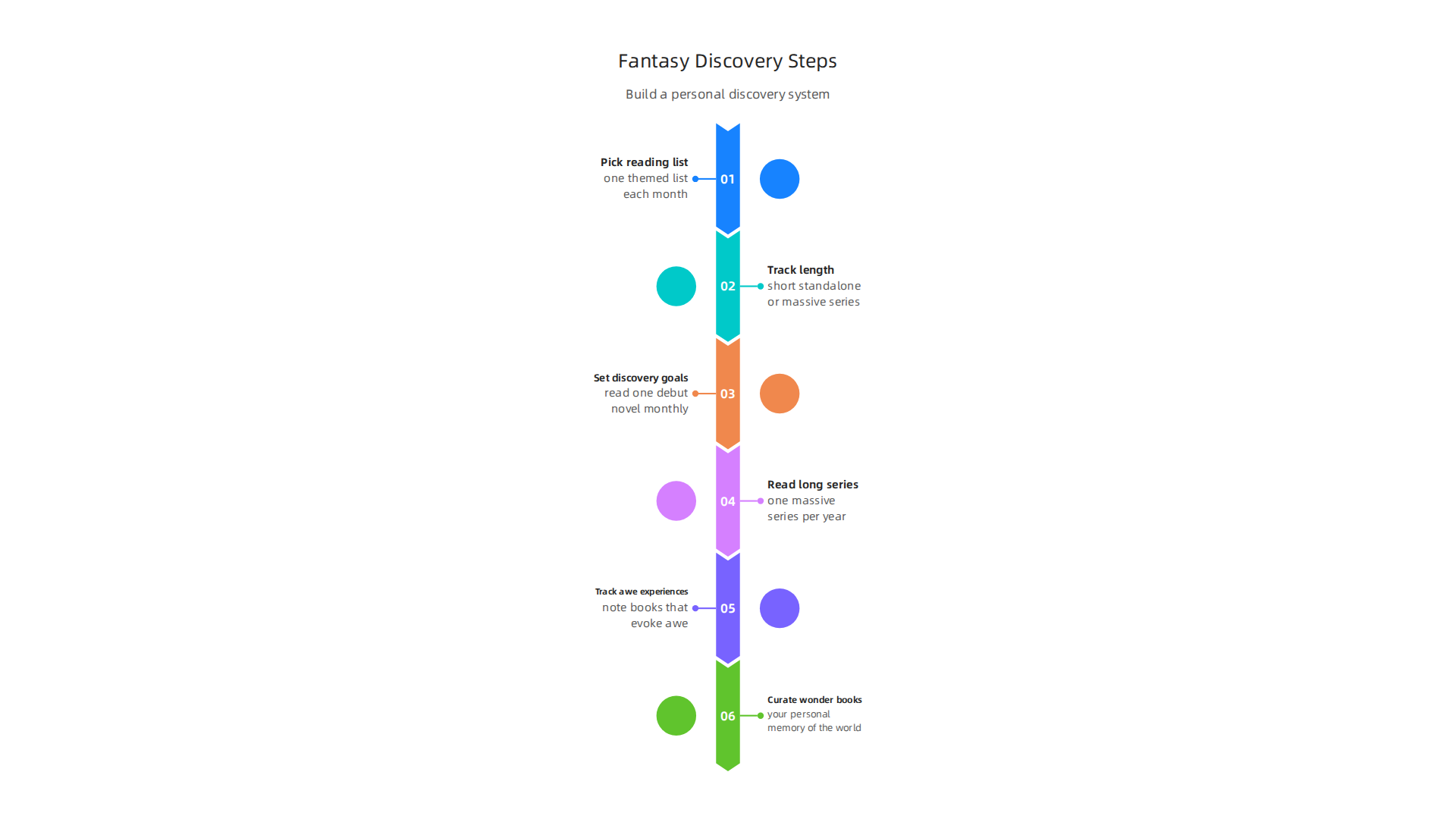
Start with structure. Pick one themed reading list each month. Maybe you try cozy fantasy one month, epic high fantasy the next. You can find ready-made lists on Good Fantasy Books. For example, the best fantasy books to read in 2026 across every subgenre gives you a clear path without the guesswork.
Also track the length of books you read. Some months you may want a short standalone. Other months you may want a massive series. If you are brave, set a goal to tackle one of the longest novels ever written each year. Reading a huge epic can be a rewarding challenge that changes how you see the genre.
Next, set specific discovery goals. For example, make it a goal to read one debut novel per month. Debut novels often bring fresh ideas and new voices that the algorithms miss. They are also less likely to show up in bestseller lists. By actively seeking them out, you support new authors and find hidden gems.
Another good goal: read at least one long series per year. Many fantasy readers avoid long series because they feel overwhelming. But setting aside time for a single epic can be deeply satisfying. It gives you a world to live in for months.
Now for the fun part. Track your awe experiences. When a book makes you stop and think "wow," write it down. Why did it hit you that way? What made that scene or character special? Research on narrative transportation shows that when a story deeply transports you, you are more likely to remember it and be changed by it. That is worth tracking.
Think of your list as your own personal memory of the world. Just like UNESCO’s Memory of the World programme selects the most important documents for preservation, you can curate a list of books that truly mattered to you. Over time, this list becomes a map of your reading life. It helps you see patterns in your taste. You will know which authors, themes, and styles you love most.
When a book fills you with wonder, call it your wonder book. Write down why it felt special. That wonder book becomes a landmark in your reading journey.
This system reduces decision fatigue. You no longer stare at endless options wondering what to read. Instead, you have a plan. You know you are reading a debut this month. You know you are working toward that long series. And you are paying attention to the books that give you awe.
If you want ongoing help building your system, you can Join An Experiment designed for readers who want to try new ways of discovering books. It gives you a simple structure to follow and a community to share results with.
A personal discovery system turns the chaos of choice into a clear, enjoyable journey. You stay in control. You find books that truly resonate. And you never have to settle for what the algorithm pushes your way.
Summary
This article offers a practical framework for discovering high-quality fantasy in an overcrowded market by focusing on three underrated pathways: epic-length novels, debut authors, and the emotional experience of wonder. It explains why long books can reward readers with richer worldbuilding and deeper character arcs, why debut novels often deliver original, risk-taking stories, and how wonder (through scale, magic systems, and moral dilemmas) makes certain books unforgettable. The piece also shows how preservation efforts and expert curation help identify lasting works, contrasts human curation with algorithmic noise, and gives concrete tactics for building a personal discovery system—monthly themes, reading goals, and tracking