
Introduction: Why The Fellowship of the Ring Remains Essential Reading
Have you ever picked up a book and felt like you had discovered a whole new world?

That is exactly what happens when you open The Fellowship of the Ring. Nearly seventy years after publication, this book remains the gold standard for epic fantasy.
The story begins quietly in the Shire. A young hobbit named Frodo Baggins inherits a dangerous ring from his uncle Bilbo. But this is no ordinary trinket. It is the One Ring, an object of pure evil created by the Dark Lord Sauron. Frodo’s mission? Carry it to the fires of Mount Doom and destroy it before Sauron reclaims it.
This simple premise changed literature forever. Tolkien did not just write a story. He built a world with its own languages, history, and mythology. According to Britannica’s biography of J.R.R. Tolkien, the author spent years creating this "legendarium" before the books ever took shape. That careful work is why Middle-earth feels so real.
If you are searching for the best fantasy sci fi series books that shaped the genre, this is the starting point. The Fellowship of the Ring belongs on any list of the modern library 100 best novels. And for anyone looking for good fantasy books for adults, the themes of friendship, sacrifice, and courage resonate even more deeply as you grow older.
Understanding this first volume is the key to appreciating the entire Legendarium. Readers ready to continue the journey can find guides to best fantasy book series worth your time that build on Tolkien’s foundation.

For those who want to dive deeper into the characters and story worlds of this classic, you can Explore The Books & Characters to discover more about the Fellowship and other fantasy masterpieces.
The Genesis of Middle‑earth: J.R.R. Tolkien’s Vision
Behind every great story is a person shaped by their own life. Tolkien did not just wake up one day and invent hobbits. His vision grew from a lifetime of study, war, and creativity.
Tolkien was a professor of languages at Oxford. His specialty was philology, the study of language history. This background directly shaped Middle‑earth.

He invented entire Elvish languages with their own grammar and vocabulary before he wrote a single story about elves. According to the Britannica profile of the author, Tolkien created this "legendarium" partly just to give his invented languages a place to live.
That is how deep his world-building went.
But the book you hold today almost did not happen. The publisher asked for a sequel to The Hobbit. Tolkien started writing, but the story quickly outgrew that simple goal. As Wikipedia notes on the evolution of The Fellowship of the Ring, Tolkien spent years "groping for a story" and expanding old poems and ideas into something much bigger. What began as a children’s follow-up turned into an epic about the fate of the entire world.
Tolkien’s personal history also left deep marks on the story. He fought in World War I and lost close friends in battle. The horror of that war echoes through the dark forests and fallen kingdoms of Middle‑earth. His scholarly work on Beowulf taught him how to write about monsters, treasure, and heroes who struggle with their own flaws.
If you are just starting your journey into epic fantasy, knowing where these ideas came from makes reading the fellowship of the ring book even richer. For readers ready to explore more classics, our guide to epic fantasy series for first‑time readers can help you begin without feeling lost.
And for those curious about the creative minds behind great literature, you can Meet Jef & Mindy to see how they connect classic stories with modern inspiration.
The Fellowship of the Ring: Plot Synopsis and Structure
The story of the fellowship of the ring book is built on a classic three-act structure. You can see it clearly if you break it down into the Shire, the journey, and the breaking of the Fellowship.
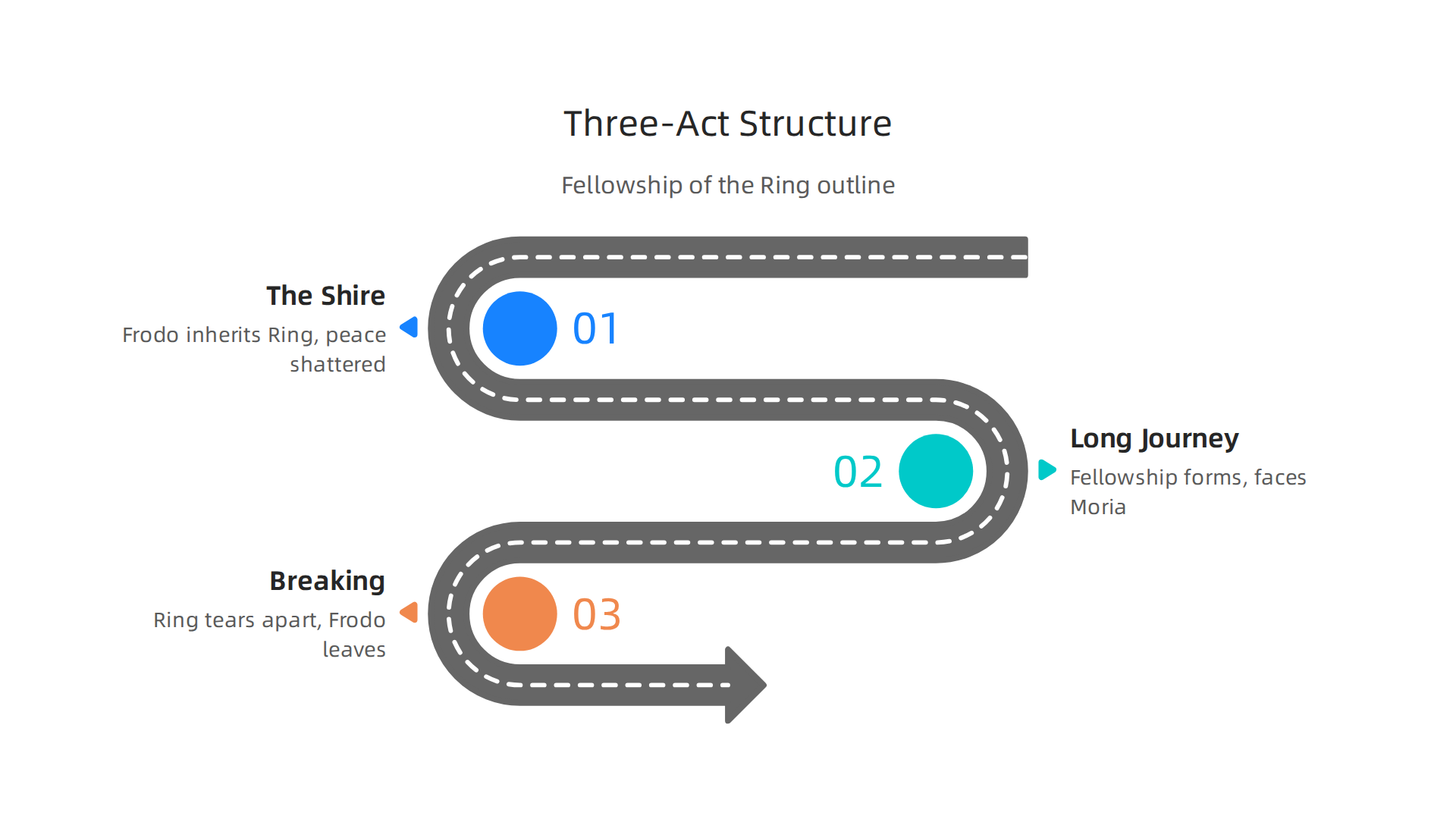
The first act takes place in the Shire. Life is simple and cozy. Frodo inherits the Ring from Bilbo and learns its terrible history from Gandalf. The peaceful hobbit life is quickly shattered by the arrival of the Black Riders. This forces Frodo to leave everything he knows behind. The SparkNotes breakdown of The Fellowship of the Ring captures this perfectly, showing how Tolkien slowly builds the world before shattering its peace.
The second act is the long journey. The hobbits meet Aragorn in Bree and travel to Rivendell. At the Council of Elrond, the fate of Middle‑earth is decided. The Ring must be destroyed. A Fellowship of nine companions is formed to help Frodo. This leads them through the dark Mines of Moria, where they face orcs and a terrible Balrog. The death of Gandalf is a crushing blow that raises the tension to its highest point yet.
The third act is the breaking of the Fellowship. After escaping to Lothlórien and traveling down the river Anduin, the group stops at Amon Hen. The Ring’s power tears them apart. Boromir tries to take the Ring from Frodo. Frodo realizes he must go to Mordor alone. Sam refuses to leave his side, and the two hobbits slip away into the wilderness.
This careful pacing is one reason the novel remains one of the most iconic good fantasy books for adults ever written. Tolkien balances quiet character moments with epic action and rising dread. The structure is almost musical, moving from a gentle melody into a crashing climax.
To really appreciate the layers Tolkien built into this first volume, you can Explore The Books & Characters on our dedicated page.
If you enjoy stories where a small group must take a perilous journey, you might also enjoy this list of fantasy series with TV adaptations to read before you watch.
Ready to experience the journey yourself? Explore The Books to pick up your copy today.
The Heart of the Story: Key Characters and Their Arcs
The plot of the fellowship of the ring book is driven by people, not just events. Three characters stand out, and their arcs are what make the story unforgettable.
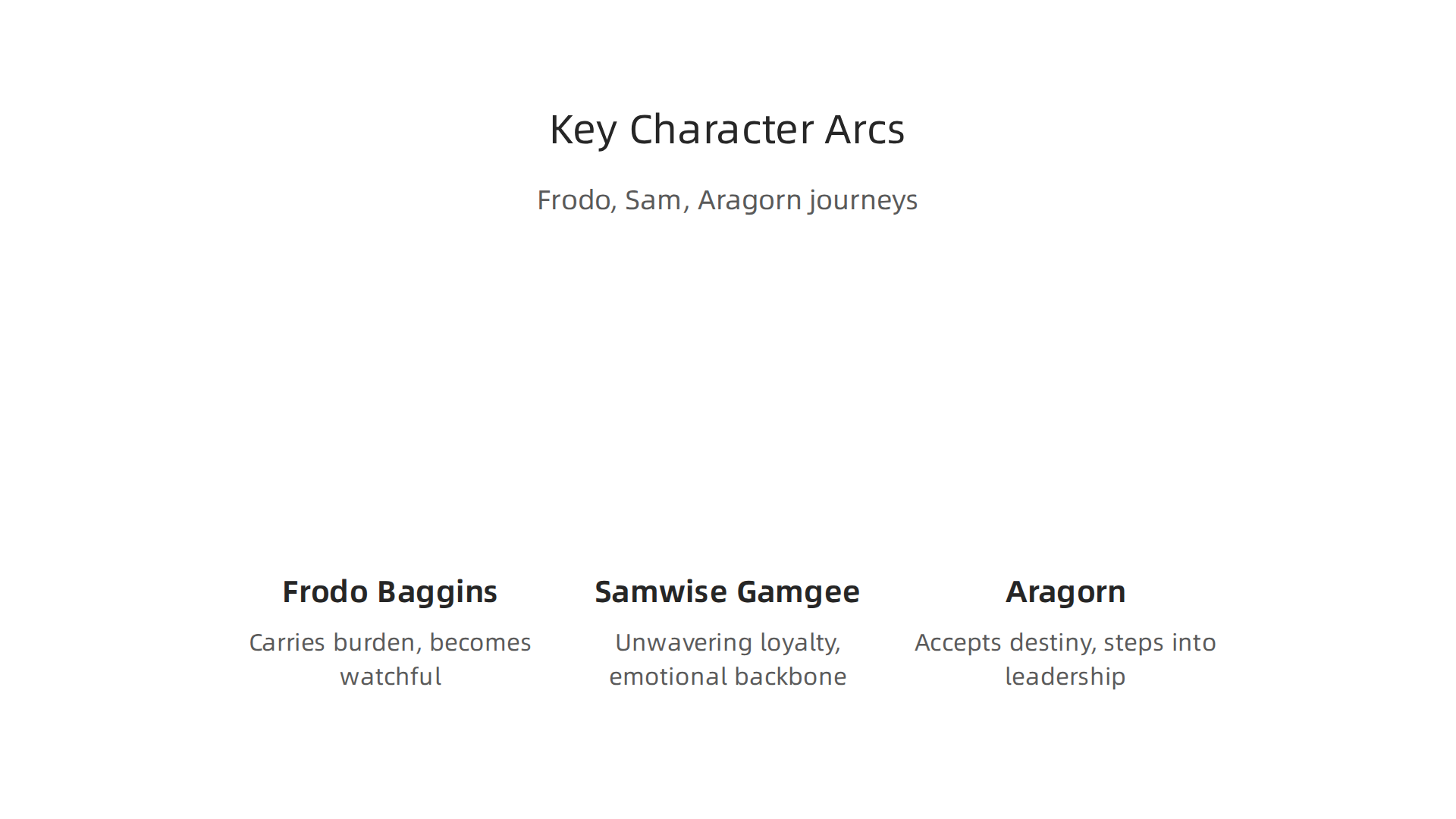
Frodo Baggins starts as a quiet hobbit who loves his garden and his books. He does not want adventure. But when the Ring comes to him, he takes the burden anyway. Over the course of the book, Frodo changes. The Ring weighs on him, both physically and emotionally. He becomes quieter, more watchful, and more alone. By the end, he is not the same hobbit who left the Shire. He has learned that heroism sometimes means just putting one foot in front of the other. This slow transformation is one reason the book is often listed among the modern library 100 best novels — it shows how ordinary people can carry extraordinary weight.
Then there is Samwise Gamgee. Many readers now agree that Sam is the true hero of the story. He has no magical skills. He is not brave in a loud way. But he never leaves Frodo. He carries Frodo’s gear, encourages him when hope is lost, and even carries Frodo himself when things get truly bad. This unwavering loyalty is the emotional backbone of the journey. Other stories might call this sidekick behavior, but Tolkien gives it the respect it deserves. Sam’s arc proves that love and friendship are just as powerful as swords and spells.
Finally, Aragorn. He appears as a mysterious ranger called Strider. But he is really the heir to the throne of Gondor. His arc is about accepting destiny. He doubts himself. He carries the shards of a broken sword. Over time, he steps into the role of leader and king. His journey mirrors the larger theme of renewal that runs through the entire trilogy.
If you love stories built around character growth, you might enjoy exploring other character-driven fantasy series that also focus on personal journeys.
For a closer look at how each member of the Fellowship contributes to the story, you can check out the full summary from Audible, which breaks down every character’s role.
Want to discover more books that center on strong character arcs? Join The Newsletter for weekly insights and fantasy recommendations.
The Art of World‑Building: Languages, Maps, and Lore
One thing that makes the fellowship of the ring book feel real is its world. Tolkien did not just write a story. He built a universe with languages, maps, and thousands of years of history.
That is why many call it one of the best fantasy sci fi series books. The world feels lived in and believable.
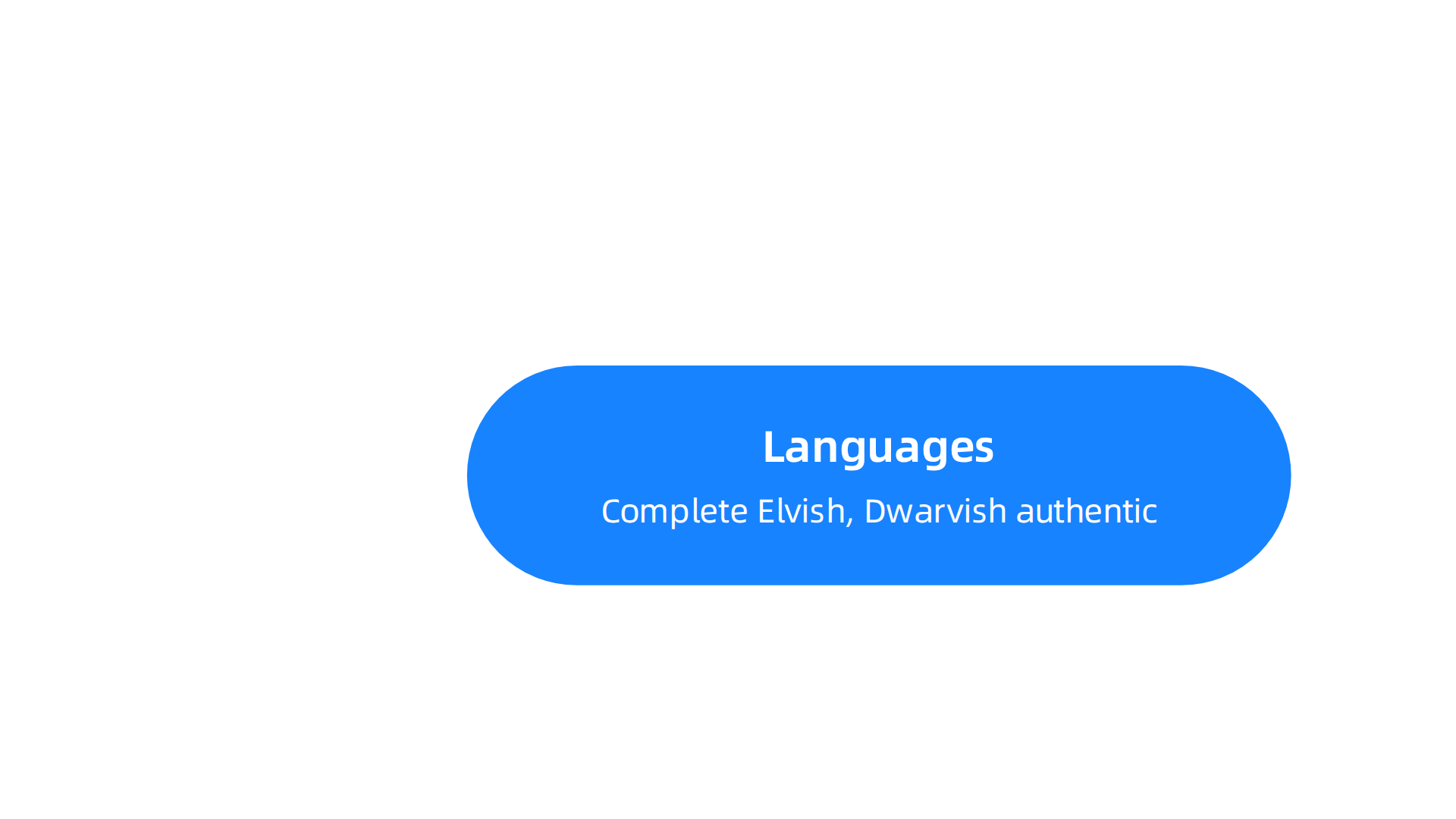
Start with languages. Tolkien was a language expert before he was a writer. He created complete languages like Quenya and Sindarin for the Elves. They have grammar, vocabulary, and even a history of how they changed. The Babbel article on how Tolkien created fantastic worlds with language explains how he drew from real languages like Finnish and Welsh to make Elvish sound beautiful.

The Dwarves had their own language, Khuzdul, kept secret from outsiders. This attention to detail makes the world authentic.
Maps are just as important. In the fellowship of the ring book geography drives the plot. The Fellowship travels from the Shire to Rivendell, through the Misty Mountains to Moria, and down the river to Lothlorien. Every location is real on the map. Tolkien drew the maps himself and made sure distances and travel times added up. The map is not decoration. It helps readers follow the journey step by step.
Then there is the deep lore. The book ends with rich appendices that cover the history of Middle-earth, the lineage of kings, and even the hobbit calendar. Later, The Silmarillion added creation myths and ancient wars that shaped the world. This level of backstory is rare. It is one reason the book stands out among good fantasy books for adults who want more than just a plot.
If you love this kind of detailed world-building, you might enjoy other immersive series. Check out our list of the best fantasy book series worth your time.
And to explore the maps and languages of Middle-earth for yourself, Explore The Books & Characters to see how it all fits together.
Themes of Power, Friendship, and Sacrifice
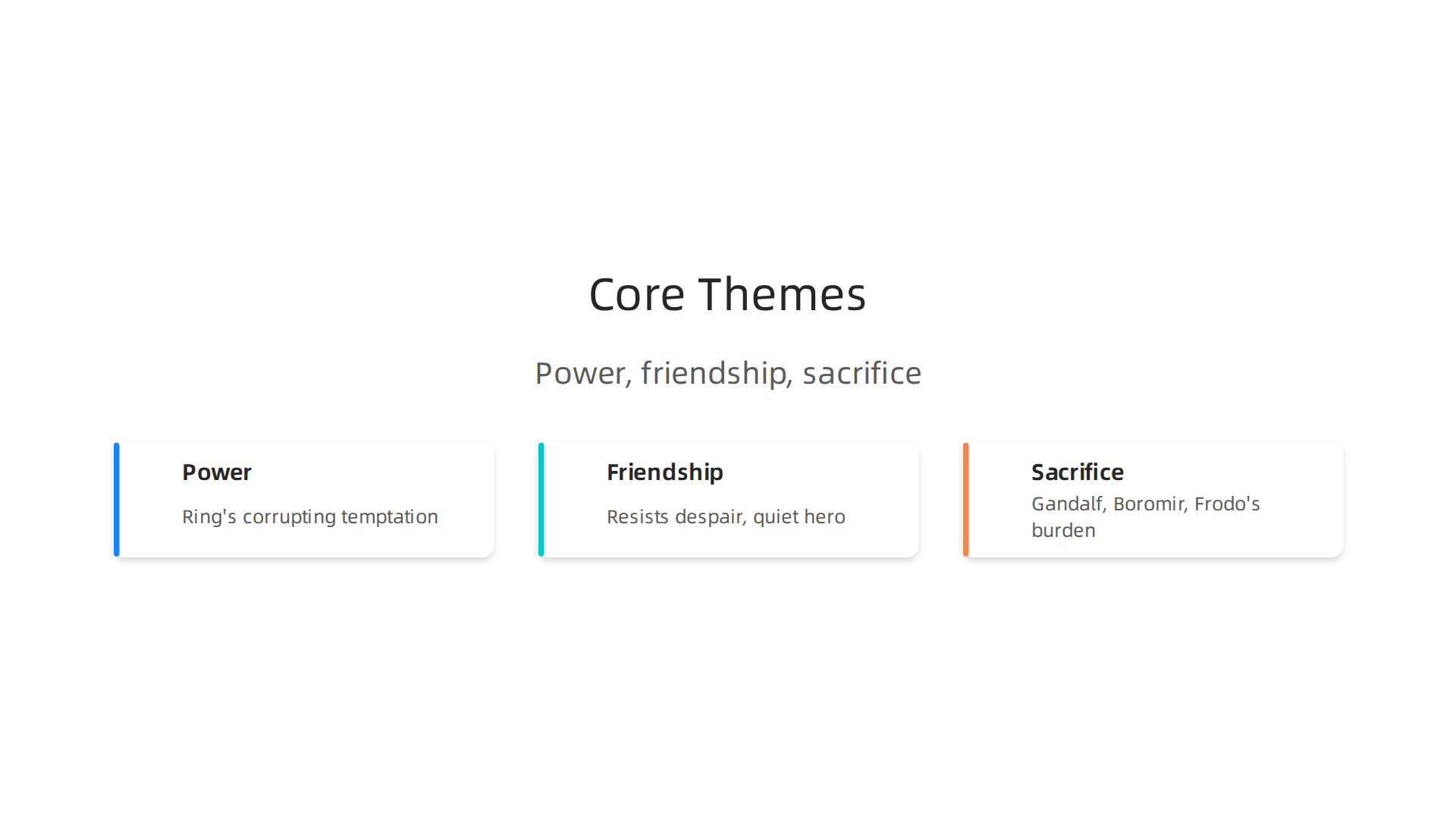
The story in the fellowship of the ring book is not just about a journey. It is about what the journey does to the people who take it. Three big themes run through the whole story: power, friendship, and sacrifice.
They are what make this book feel so real and moving.
The Ring as a symbol of corrupting power
The Ring is not just a tool. It is a living temptation. Anyone who wears it starts to change. They want more control. They start to think they know best. Even wise characters like Gandalf refuse to touch it. They know they would use it for good at first, but the Ring would twist them over time. The same thing happens to Boromir. He is a good man. But the Ring plays on his fears and hopes. It pushes him to try to take it from Frodo. The lesson is clear. Power itself is dangerous, no matter how good your intentions are.
Friendship as the force that resists despair
Frodo could not have made it one mile without Sam. Every time Frodo felt like giving up, Sam was there. He carried Frodo up Mount Doom when Frodo could not walk anymore. He shared his food and his hope. This friendship is the quiet hero of the book. It is not flashy. It is just two friends refusing to let go of each other. That quiet loyalty is what beats the darkness in the end. It is one reason why Tolkien’s work stands among the good fantasy books for adults that deal with real human emotions.
Sacrifice runs through every chapter
Gandalf falls in Moria fighting a Balrog so the rest of the group can escape. Boromir gives his life trying to protect Merry and Pippin after the Ring had already corrupted his mind. And Frodo volunteers to carry the Ring to Mordor even though he knows it might destroy him. These moments give the story real weight. The six pillars of middle earth shows how Tolkien built these huge stakes into the world. Every sacrifice matters. Every character pays a price.
If you enjoy stories with these deep layers, you might like to explore more books that offer real thematic depth in fantasy.
And to keep exploring these powerful ideas in your own reading, Join The Newsletter for monthly essays on fantasy themes and recommended reads.
Literary Legacy: How The Fellowship of the Ring Defined Epic Fantasy
The fellowship of the ring book did more than tell a great story. It changed the fantasy genre forever. Before Tolkien, fantasy was a small corner of literature. After him, it became one of the most popular and respected genres in the world.
The template for modern epic fantasy
Before this book, there was no standard for what an epic fantasy looked like. Tolkien created it. A small group of heroes (the Fellowship). A dark lord with an all-powerful object (Sauron and the Ring). A dangerous quest that spans an entire continent. A richly detailed world with its own languages, histories, and maps. Every major epic fantasy written since owes something to this structure. According to the impact of The Lord of the Rings on the fantasy genre, Tolkien set the standard for complex world-building and the quest narrative that so many books still follow.
Generations of authors influenced
It is hard to find a major fantasy author who does not name Tolkien as an influence.

George R.R. Martin, Patrick Rothfuss, and Brandon Sanderson have all spoken about how the fellowship of the ring book inspired their own work. Martin wanted to explore the moral gray areas that Tolkien hinted at. Rothfuss admired the depth of the languages and mythology. Sanderson credits Tolkien with showing that a made-up world could feel as real as our own. If you want to see where this legacy leads today, check out our list of best fantasy book series worth your time in 2026.
Commercial growth and mainstream acceptance
The book sold over 150 million copies worldwide and has been translated into at least 38 languages. It is on the modern library 100 best novels list and regularly tops reader polls. Its success in the 1960s paperback market convinced publishers that fantasy could sell. That opened the door for countless authors and series that followed. Today, good fantasy books for adults fill entire sections of bookstores, and you can trace that shelf space directly back to the success of this one book.
If you are curious how Tolkien’s world connects to other great fantasy works, take a look at our guides. Explore The Books & Characters to see how The Fellowship of the Ring inspired other fantasy worlds and discover your next favorite read.
Once you’re ready to dive into Middle-earth yourself, the next question is which edition of the fellowship of the ring book to pick. In 2026, readers have more choices than ever, and each one offers something a little different.
Hardcover and special editions
If you love holding a beautiful book in your hands, you’re in luck. You can find annotated editions with Tolkien’s notes, illustrated versions with full-color art, movie tie-in covers, and deluxe collector’s sets that feel like treasure chests. Some editions include fold-out maps and extra appendices. These make great gifts and look impressive on a shelf. For a curated selection that helps you compare features, take a moment to Explore The Books and find the perfect Fellowship of the Ring copy for your collection.
Audiobooks: two legendary narrators
Listening to the story is a completely different experience. The classic audiobook narrated by Rob Inglis has been a favorite for years. His warm, theatrical reading brings each character to life. But in 2026 you also have the version read by Andy Serkis, the actor who played Gollum in the films. Serkis pours incredible emotion into every line. If you want to hear why both narrations are beloved, check out the detailed summary of The Fellowship of the Ring on Audible which explains the book’s lasting power and the different ways to experience it.

E-books and digital extras
Reading on a screen has its own perks. Digital versions of the fellowship of the ring book often include interactive maps that let you zoom into locations like Rivendell or Moria. Glossaries are linked directly to the text, so you can tap a word like "Ent" or "Palantír" and get an instant definition. Some e-reader editions also include character guides and timelines. If you want to compare the best e-book platforms for fantasy readers, our guide to best digital reading platforms for fantasy lovers compared can help you decide.
No matter which format you choose, returning to Middle-earth in 2026 is an adventure worth taking.
But the adventure doesn’t stop with reading the book. Over the decades, the world of Tolkien has grown far beyond the page. Today we have films, video games, stage shows, radio dramas, and a massive global community that keeps the magic alive.
Beyond the Book: Adaptations and the Enduring Fandom
Peter Jackson’s film trilogy
The most famous adaptation is Peter Jackson’s live-action trilogy, released from 2001 to 2003. These films brought the story of the fellowship of the ring book to millions who had never picked it up. They won seventeen Oscars and set a new standard for fantasy cinema. You can find a full list of adaptations of The Lord of the Rings on Wikipedia, which covers every major version from the 1978 animated film to the latest news.
Other ways to experience Middle-earth
Radio adaptations have been around since the 1950s. The BBC’s 1981 dramatization is a favorite among fans who want a pure audio experience. Video games let you step into the world yourself. Titles like Middle-Earth: Shadow of Mordor take place between the events of The Hobbit and the main story. A musical adaptation even toured the US and Australia in 2024 and 2025. For a deeper look at fantasy series with TV adaptations to read before you watch, our guide can help you discover other worlds worth exploring.
The fan community
Fans have built thriving communities online. Subreddits like r/lotr and r/tolkienfans stay active daily. At conventions like Dragon Con and Comic-Con, you can meet other readers, attend panels, and even dress up as your favorite character. The passion for Middle-earth shows no signs of fading.
If you want to explore more of the expanded universe, check out Explore The Books & Characters for additional reading and media recommendations. And to stay in the loop on all things Tolkien and fantasy, Join The Newsletter for updates straight to your inbox.
Summary
This article explains why The Fellowship of the Ring remains essential reading for fans of epic fantasy, tracing how J.R.R. Tolkien’s scholarly life and war experiences produced a deeply imagined world. It summarizes the book’s three‑act structure—from the Shire to the breaking of the Fellowship—while highlighting the emotional core in the character arcs of Frodo, Sam, and Aragorn. The piece breaks down Tolkien’s world‑building techniques, including invented languages, maps, and deep lore, and explores major themes like corrupting power, loyalty, and sacrifice. It also covers the novel’s lasting legacy on the genre, the variety of modern editions and audio versions, and how adaptations and fan culture have expanded Middle‑earth. After reading, you’ll understand the novel’s structure, themes, and influence, and be better equipped to choose an edition or next reads that build on Tolkien’s work.